
Views: 0 Author: Site Editor Publish Time: 2025-12-05 Origin: Site
Have you ever wondered how air circulates efficiently in large spaces? Centrifugal fans play a crucial role in various industries, ensuring effective airflow and ventilation.
In this post, we’ll explore the definition and basic principles of centrifugal fans. You’ll learn about their importance, common applications, and the benefits they offer over other types of fans.
A centrifugal fan is a mechanical device designed to move air and gases efficiently. Unlike axial fans, which push air in a straight line, centrifugal fans draw air into the center and expel it at a 90-degree angle. This unique design allows for higher pressure generation and better airflow management in various applications.
Centrifugal fans are vital across many sectors. They are commonly used in HVAC systems, manufacturing, and even in medical equipment. Their ability to handle high air resistance makes them ideal for environments where effective ventilation is crucial. Here are a few industries where centrifugal fans shine:
Industry | Applications |
HVAC | Air conditioning, heating systems |
Manufacturing | Dust collection, cooling systems |
Medical | Ventilation in operating rooms, air purification |
Electronics | Cooling for servers and computers |
Centrifugal fans are essential due to their efficiency and versatility. They can maintain consistent airflow even in challenging conditions, such as long duct runs or high-pressure environments. Their design allows them to operate quietly, making them suitable for places where noise is a concern, like hospitals or offices.
These fans are found in various applications, including:
● HVAC Systems: They regulate indoor air quality and temperature.
● Industrial Ventilation: Used to remove fumes, dust, and heat from manufacturing processes.
● Air Purification: Essential in systems that filter and clean the air in commercial and residential settings.
Centrifugal fans offer several advantages compared to axial fans:
● Higher Pressure: They can handle higher static pressures, making them more effective in complex duct systems.
● Directional Airflow: The design allows for more controlled airflow, which is crucial in many applications.
● Energy Efficiency: Many centrifugal fans operate with lower energy consumption, especially when designed with modern motors.
In summary, centrifugal fans are indispensable in today’s industrial and commercial landscapes. Their unique design and capabilities provide solutions for effective air movement and ventilation, making them a preferred choice in various applications.

Centrifugal fans operate on a simple yet effective principle. They draw air into the center of the fan and then expel it outward, creating airflow through centrifugal force. This method allows for efficient movement of air, especially in systems requiring high pressure and controlled airflow.
The mechanics of airflow in centrifugal fans involve several key processes:
1. Air Intake: Air enters through the central inlet, where it is funneled into the impeller.
2. Centrifugal Force: As the impeller spins, it generates centrifugal force, pushing the air outward.
3. Discharge: The air exits through the outlet, often at a 90-degree angle from the intake, allowing for efficient directional flow.
This redirection is crucial for applications needing precise airflow management.
Understanding the components of a centrifugal fan helps clarify how they function. Here are the main parts:
The impeller is the heart of the fan. It consists of blades that rotate at high speeds, creating airflow. There are two primary designs:
● Backward-Curved Blades: These blades curve away from the direction of airflow. They are known for their efficiency and quieter operation.
● Forward-Curved Blades: These blades curve towards the direction of airflow. They generate higher airflow at lower pressures but can be noisier.
The choice of blade design impacts airflow volume, pressure, and overall efficiency. For example, backward-curved blades often provide better performance in closed systems.
The scroll housing surrounds the impeller and plays a vital role in airflow management. Its spiral design helps to convert the kinetic energy of the moving air into static pressure. This means:
● Stable Pressure: The scroll design ensures a consistent air pressure, which is essential for effective ventilation.
● Efficient Airflow: By guiding the airflow smoothly, it minimizes turbulence and energy loss.
The motor powers the impeller's rotation, significantly influencing the fan's efficiency. Common motor types include:
● AC Motors: Often used in larger industrial fans for robust performance.
● DC Motors: Found in compact fans like the DC 9238 model, these motors offer variable speed control and energy efficiency.
The motor's efficiency directly affects the fan's operational costs and lifespan.
The process of air intake and discharge is crucial for understanding how centrifugal fans work.
● Air Entry: Air enters through a central inlet, concentrating at the impeller's core. This design maximizes airflow efficiency.
● Directional Airflow: As the impeller spins, air is directed outward through the fan's discharge port. This creates a powerful airflow that can be directed where needed.
The ability to redirect airflow at a 90-degree angle is one of the fan's key advantages. It allows for effective ventilation in tight spaces and complex duct systems, making centrifugal fans ideal for various applications, from HVAC systems to industrial processes.
In essence, the combination of centrifugal force, effective component design, and precise airflow management makes centrifugal fans an essential tool in many industries.
Centrifugal fans come in various designs, each tailored for specific applications and performance needs. Understanding these designs helps you choose the right fan for your project. The most common types include backward-curved blade fans, forward-curved blade fans, and radial fans. Let’s explore each type in detail.
Backward-curved blade fans are known for their efficiency and silent operation. The blades curve away from the direction of airflow, which allows them to handle higher pressures with less energy consumption.
● Advantages:
○ Improved energy efficiency
○ Quieter operation, making them ideal for noise-sensitive environments
○ Better performance in high-pressure applications
● Common Uses:
○ HVAC systems for heating and cooling
○ Industrial ventilation in manufacturing plants
○ Air handling units requiring stable airflow
Feature | Description |
Energy Efficiency | High |
Noise Level | Low |
Pressure Handling | High |
Forward-curved blade fans have blades that curve towards the direction of airflow. They are designed to move a large volume of air at lower pressures.
● Performance Characteristics:
○ High airflow rates, suitable for applications needing significant air movement
○ Typically operate at lower noise levels compared to axial fans
○ Less efficient at high pressures, making them less suitable for ducted systems
● Applications:
○ Used in air conditioning units
○ Common in blowers for small cooling systems
○ Ideal for applications requiring high volume and low pressure
Performance Metric | Backward-Curved Blade Fans | Forward-Curved Blade Fans |
Airflow Rate | Moderate to High | High |
Pressure Capability | High | Low |
Noise Level | Low | Moderate |
Radial fans, often called mixed flow fans, combine features of both backward and forward-curved designs. Their unique construction allows them to perform well in various situations.
● Unique Features:
○ Versatile performance across different pressure ranges
○ Can handle both high airflow and moderate pressure
○ Suitable for applications requiring a balance between airflow and pressure
Selecting the right centrifugal fan involves considering several key factors. Here’s what to keep in mind:
● Airflow Requirements: Determine how much air you need to move. Fans are rated by their airflow capacity, often measured in cubic feet per minute (CFM).
● Pressure Needs: Assess the static pressure requirements of your system. Some fans perform better in high-pressure scenarios, while others excel in low-pressure applications.
● Noise Levels: Consider the noise output of the fan. Backward-curved fans typically offer quieter operation, which is essential in settings like hospitals or offices.
To illustrate the variety of centrifugal fans available, let’s look at a specific model: the 255x075mm Backward Curved Blade Centrifugal Fan. This model is designed for efficiency and versatility.
● Specifications:
○ Dimensions: 255mm x 75mm
○ Airflow: High airflow capacity suitable for HVAC applications
○ Pressure: Designed to handle moderate static pressures
Model | Dimensions (mm) | Airflow Capacity (CFM) | Pressure Handling |
255x075mm Backward Curved | 255 x 75 | High | Moderate |
● Applications:
○ Ideal for air conditioning systems
○ Used in industrial processes requiring effective ventilation
○ Suitable for residential air handling units
By understanding the different types of centrifugal fans and their applications, you can make an informed choice that meets your specific needs. Each fan type offers unique benefits, making them suitable for various environments and requirements.
Centrifugal fans are versatile devices found in numerous applications across various industries. Their ability to handle high air pressure and provide efficient airflow makes them essential in many settings. Let’s explore some of the primary applications of centrifugal fans.
In heating, ventilation, and air conditioning (HVAC) systems, centrifugal fans are crucial for maintaining indoor air quality and comfort. They help circulate air, regulate temperature, and manage humidity levels.
● Functionality:
○ Move air through ducts efficiently.
○ Provide consistent airflow, which is vital for heating and cooling processes.
HVAC Application | Fan Type | Key Benefits |
Air conditioning units | Backward-curved fans | Quiet operation, high efficiency |
Heating systems | Forward-curved fans | Large airflow at lower pressures |
Ventilation systems | Radial fans | Versatile performance |
Centrifugal fans are extensively used in industrial settings for ventilation purposes. They help remove heat, dust, and fumes, ensuring a safe working environment.
● Common Uses:
○ Exhaust systems that remove harmful gases.
○ Dust collection systems in manufacturing plants.
In industries like manufacturing, proper ventilation is essential for worker safety and equipment longevity. The fans help maintain air quality by filtering out contaminants and providing fresh air.
Air purification systems rely on centrifugal fans to circulate and filter air effectively. These fans play a significant role in improving indoor air quality by driving air through filtration systems.
● Key Features:
○ Efficiently move air to ensure thorough filtration.
○ Adaptable to various filter types, enhancing purification effectiveness.
Centrifugal fans are also used in specialized applications, including:
● Welding Machines: They help cool the equipment and remove harmful fumes generated during the welding process.
● CNC Equipment: Fans are essential for cooling electronic components and ensuring optimal performance.
● Medical Instruments: Used in devices like ventilators to provide necessary airflow.
● Household Appliances: Found in vacuum cleaners and kitchen exhaust hoods for effective air movement.
Let’s look at a few examples of how centrifugal fans are applied in different industries:
1. Manufacturing: In a large factory, centrifugal fans are used in the ventilation system to remove heat generated by machines. This keeps the workplace comfortable and safe for workers.
2. Healthcare: Hospitals utilize centrifugal fans in their HVAC systems to maintain sterile environments. These fans help filter air and ensure proper airflow in operating rooms and patient wards.
Industry | Application | Fan Type |
Manufacturing | Ventilation for machinery | Backward-curved fans |
Healthcare | Air filtration in hospitals | Radial fans |
Food Industry | Cooling in processing plants | Forward-curved fans |
By understanding the diverse applications of centrifugal fans, we can appreciate their importance in maintaining efficiency and safety across various industries. Their ability to adapt to different environments makes them indispensable tools in modern technology.
Centrifugal fans offer several advantages over other types of fans, making them a popular choice in various applications. Their unique design allows for efficient airflow management, higher pressure capabilities, and versatility across different environments. Let’s delve into the key benefits of using centrifugal fans.
One of the standout features of centrifugal fans is their high efficiency in managing airflow. They are designed to move air effectively, even in systems with complex ductwork.
● Key Benefits:
○ Stable Airflow: They maintain consistent airflow, which is crucial for applications like HVAC systems.
○ Energy Savings: Efficient airflow management often leads to lower energy consumption, reducing operational costs.
Efficiency Metric | Centrifugal Fans | Other Fan Types |
Airflow Consistency | High | Variable |
Energy Consumption | Lower | Higher in some cases |
Centrifugal fans excel in applications requiring high static pressure. This capability allows them to push air through long duct runs and complex systems without losing efficiency.
● Applications:
○ Ideal for industrial ventilation systems where air must be moved against resistance.
○ Effective in dust collection systems where high pressure is needed to transport air and particulates.
The versatility of centrifugal fans makes them suitable for various settings. They can be used in everything from residential HVAC systems to large-scale industrial operations.
● Common Applications:
○ HVAC Systems: Providing heating and cooling efficiently.
○ Industrial Ventilation: Removing heat and contaminants from manufacturing processes.
○ Air Purification: Circulating air through filtration systems.
When comparing centrifugal fans to axial fans, several key differences emerge that highlight the advantages of centrifugal designs.
Feature | Centrifugal Fans | Axial Fans |
Airflow Direction | 90-degree redirection | Straight-line flow |
Pressure Capability | High | Low to moderate |
Noise Levels | Generally quieter | Can be noisier |
Centrifugal fans are designed to create pressure by converting kinetic energy into static pressure, while axial fans primarily focus on moving large volumes of air at lower pressures.
Centrifugal fans outperform axial fans in specific scenarios, including:
● High-Pressure Environments: In applications requiring significant pressure, such as dust collection systems, centrifugal fans are more effective.
● Complex Duct Systems: They handle airflow better in systems with bends and turns, maintaining efficiency throughout.
● Noise-Sensitive Applications: Their design allows for quieter operation, making them ideal for settings like hospitals or offices.
Centrifugal fans bring a range of advantages that make them a preferred choice in many industries. Their efficiency, pressure handling capabilities, and versatility set them apart from other fan types, ensuring they meet the diverse needs of modern applications.
Regular maintenance of centrifugal fans is crucial to ensure their efficient operation and longevity. Proper upkeep helps prevent costly breakdowns and extends the lifespan of the equipment. By conducting routine checks, you can identify potential issues before they escalate into major problems. This proactive approach not only saves money but also enhances overall system performance.
● Increased Efficiency: Well-maintained fans operate more efficiently, leading to lower energy costs.
● Extended Lifespan: Regular checks can significantly extend the life of the fan and its components.
● Reduced Downtime: Addressing issues early minimizes unexpected failures, keeping operations running smoothly.
To keep your centrifugal fans in top condition, consider the following maintenance tips:
1. Regular Inspections: Check for signs of wear, damage, or misalignment. Inspect the fan blades, motor, and housing for any visible issues.
2. Cleaning: Dust and debris can accumulate, affecting performance. Regularly clean the fan blades and surrounding areas to maintain airflow efficiency.
3. Lubrication: Ensure that all moving parts are properly lubricated. This reduces friction and wear, promoting smooth operation.
4. Monitor Operating Conditions: Keep an eye on temperature and humidity levels. Extreme conditions can impact fan performance.
Maintenance Task | Frequency | Purpose |
Visual Inspection | Monthly | Identify visible issues |
Cleaning | Quarterly | Maintain airflow efficiency |
Lubrication | Every 6 months | Reduce wear and tear |
Performance Monitoring | Ongoing | Ensure optimal operation |
Centrifugal fans can encounter various issues over time. Recognizing these problems early can save both time and money in repairs.
● Noise and Vibration Indicators: Unusual sounds or vibrations often signal underlying issues. Common causes include:
○ Loose components
○ Imbalanced fan blades
○ Worn-out bearings
● Decreased Airflow and Pressure Issues: If you notice a drop in airflow or pressure, it may indicate:
○ Blockages in the ductwork
○ Damaged fan blades
○ Motor issues affecting performance
Problem | Possible Causes | Recommended Action |
Excessive Noise | Loose parts, imbalance | Tighten components, balance blades |
Low Airflow | Blocked ducts, damaged blades | Clean ducts, inspect blades |
Increased Vibration | Worn bearings, misalignment | Replace bearings, realign fan |
By staying vigilant and addressing these common issues promptly, you can maintain the efficiency and reliability of your centrifugal fans. Regular maintenance not only ensures optimal performance but also contributes to a safer and more productive work environment. Keeping an eye on these indicators will help you catch problems early, allowing for timely interventions.
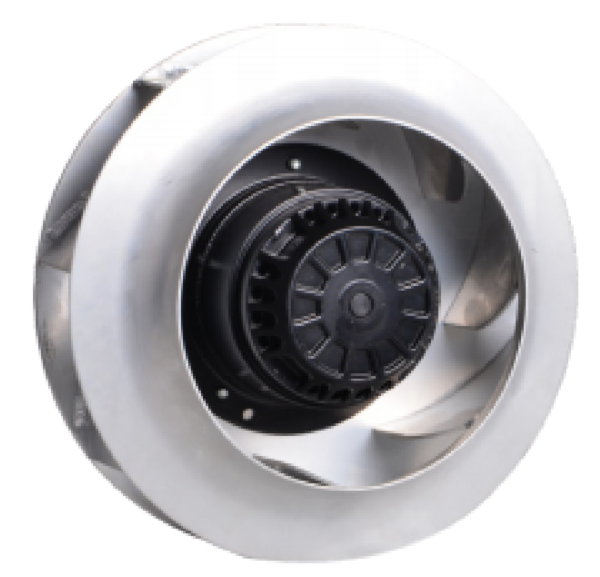
Centrifugal fan technology has seen significant advancements in recent years, driven by the need for improved efficiency and performance. Modern designs focus on optimizing airflow and reducing noise levels while enhancing durability.
● Aerodynamic Blade Design: New blade shapes have been developed to minimize turbulence and maximize airflow efficiency. These designs help fans operate more quietly while maintaining high performance.
● Compact Designs: Manufacturers are creating smaller, lighter centrifugal fans without sacrificing performance. This compactness allows for easier installation in tight spaces.
Design Feature | Benefit |
Aerodynamic Blades | Reduced turbulence, increased efficiency |
Compact Size | Easier installation, space-saving |
Another crucial aspect of innovation in centrifugal fans is the development of energy-efficient motors and advanced materials. These improvements are essential for reducing energy consumption and environmental impact.
● Energy-Efficient Motors: New motor technologies, such as brushless DC motors, provide higher efficiency and lower energy consumption compared to traditional motors. This shift not only reduces operational costs but also aligns with global sustainability goals.
● Advanced Materials: The use of lightweight, durable materials like composite plastics and advanced metals enhances fan performance. These materials can withstand higher temperatures and resist corrosion, extending the fan's lifespan.
The integration of smart technology into centrifugal fans is transforming how they operate. Smart features allow for better monitoring and control, leading to enhanced efficiency and performance.
● IoT Connectivity: Many modern centrifugal fans come equipped with Internet of Things (IoT) capabilities. This allows for real-time monitoring of performance metrics, enabling predictive maintenance and reducing downtime.
● Automated Controls: Advanced control systems can adjust fan speed based on real-time airflow needs, optimizing energy use and improving comfort in HVAC applications.
Smart Feature | Advantage |
IoT Connectivity | Real-time monitoring |
Automated Controls | Optimized energy consumption |
Looking ahead, centrifugal fans are poised to play a vital role in various industrial applications. As industries evolve, the demand for efficient and reliable airflow solutions will continue to grow.
● Market Growth: The global centrifugal fan market is expected to expand significantly as industries seek to improve energy efficiency and reduce operational costs. Analysts predict a steady increase in demand, particularly in HVAC, manufacturing, and environmental applications.
● Technological Developments: Future advancements are likely to focus on further enhancing energy efficiency and integrating artificial intelligence (AI) for smarter operations. Fans will become more adaptive, learning from their environments to optimize performance dynamically.
Future Trend | Expected Impact |
Increased Automation | Reduced labor costs, improved efficiency |
Enhanced AI Integration | Smarter, adaptive performance |
Centrifugal fan technology is rapidly evolving, with innovations making them more efficient, durable, and smarter. As we move forward, these advancements will not only improve performance but also contribute to a more sustainable future in various industrial applications.
Centrifugal fans are essential devices used for efficient airflow management. They operate by converting kinetic energy into static pressure, making them suitable for various applications.
Understanding their design, principles, and advantages helps in selecting the right fan for specific needs.
Recognizing the importance of centrifugal fans can lead to better performance in HVAC systems, industrial ventilation, and more.
Consider incorporating centrifugal fans into your projects for optimal efficiency and effectiveness.
A: Centrifugal fans move air at a right angle to the intake, handling higher pressures, while axial fans move air parallel to the intake, focusing on high airflow at lower pressures.
A: Consider airflow requirements, pressure needs, noise levels, and the specific environment where the fan will be used.
A: Common issues include noise, vibration, decreased airflow, and motor problems.
A: Regular maintenance, cleaning, and using energy-efficient motors can enhance performance.
A: Look for compliance with UR, ISO, and CE standards to ensure quality and safety.


