
Views: 0 Author: Site Editor Publish Time: 2025-12-06 Origin: Site
Centrifugal fans are essential in many industries, from HVAC to medical equipment. Proper installation is crucial for their efficiency and lifespan. In this guide, we’ll provide a detailed, step-by-step process to help you install centrifugal fans effectively. You’ll learn how to ensure optimal performance and reliability for your cooling needs.
A centrifugal fan is a mechanical device designed to move air or gas. It operates by converting rotational energy into airflow. The fan has a wheel or impeller that spins, drawing air in through the center and expelling it at a right angle. This unique airflow direction allows centrifugal fans to effectively push air through ducts and long distances.
When comparing centrifugal fans to other types, such as axial fans, the differences become clear. Axial fans move air parallel to the fan's axis, making them suitable for lower pressure applications. In contrast, centrifugal fans excel in high-pressure situations, making them ideal for industrial and HVAC applications.
Centrifugal fans are widely used across various industries due to their versatility. Here are some common applications:
● HVAC Systems: Essential for heating, ventilation, and air conditioning, ensuring proper airflow and temperature control.
● Industrial Ventilation: Used to exhaust fumes and provide fresh air in factories and workshops.
● Medical Instruments: Critical in devices like ventilators and anesthesia machines, ensuring patient safety and comfort.
Specific applications include:
● Welding Machines: Cooling the equipment during operation to prevent overheating.
● Variable Frequency Motors: Maintaining optimal temperatures for efficient performance.
● Household Appliances: Found in kitchen hoods and air purifiers, improving indoor air quality.
Centrifugal fans offer several key features that make them valuable in various applications.
● Airflow Direction: They move air perpendicular to the intake, allowing for efficient ductwork integration.
● Pressure Handling Capacity: These fans can manage higher pressures than axial fans, making them suitable for demanding environments.
● Structural Design: Typically, they feature a curved blade design within a scroll casing, which enhances airflow acceleration and maintains consistent pressure.
The advantages of centrifugal fans are numerous:
● High Efficiency: They provide effective airflow while consuming less energy.
● Stable Airflow: Capable of maintaining consistent airflow even under varying load conditions.
● Low Energy Consumption: Designed to operate efficiently, reducing overall energy costs.
● Minimal Noise: Many models are engineered to operate quietly, making them suitable for noise-sensitive environments.
Feature | Description |
Airflow Direction | Perpendicular to intake, ideal for duct systems |
Pressure Handling | Handles high pressures effectively |
Design | Curved blades in a scroll casing for efficiency |
Efficiency | High performance with low energy usage |
Noise Level | Operates quietly, suitable for sensitive applications |
These features and benefits make centrifugal fans a preferred choice in many sectors, ensuring they meet the diverse needs of modern applications.
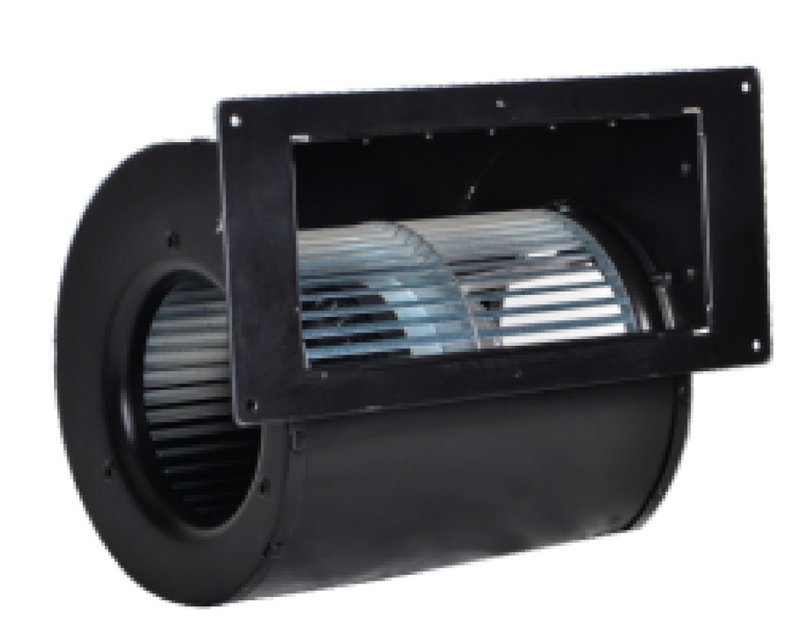
Before diving into the installation of your centrifugal fan, it's crucial to choose the right model for your specific application. Different fans serve various purposes, whether for HVAC systems, industrial ventilation, or other uses. Selecting the appropriate model ensures it meets your needs effectively.
Next, you must check the installation location. Make sure the area can support the fan's size and weight. A solid foundation is essential for stability and performance. Additionally, ensure there is sufficient clearance around the fan's inlet and outlet. This space is vital to avoid obstructing airflow, which can lead to reduced efficiency or even damage.
Gathering the right tools and materials is a key step in ensuring a smooth installation process. Here’s a list of necessary tools you’ll need:
● Drill: For creating mounting holes.
● Level: To ensure the fan is installed evenly.
● Wrenches: For securing bolts and connections.
In addition to tools, you’ll also need specific materials. Recommended items include:
● Sealants: To create airtight connections between ducts and the fan.
● Anti-Vibration Pads: These are essential for reducing operational noise and vibrations, enhancing the fan's performance and lifespan.
Tool/Material | Purpose |
Drill | Create mounting holes |
Level | Ensure even installation |
Wrenches | Secure bolts and connections |
Sealants | Create airtight connections |
Anti-Vibration Pads | Reduce noise and vibrations |
Safety should always be a priority when installing a centrifugal fan. Start by following electrical safety tips. Ensure the power supply is turned off before you begin any work. Grounding the fan is crucial; it helps prevent electrical shocks and ensures safe operation.
Using dedicated circuits for your fan is another important safety measure. This prevents overload and potential damage to the fan or electrical system. If you are working with DC models, check the power supply parameters carefully. Make sure they match the fan specifications to avoid operational issues.
By taking these precautions, you can ensure a safe and efficient installation process, allowing your centrifugal fan to perform at its best.
Preparing a solid, flat foundation is the first crucial step in installing your centrifugal fan. Start by selecting a location that can support the weight of the fan and any additional equipment. Make sure the surface is even, as an uneven foundation can lead to vibrations and reduced performance during operation.
To check for levelness, use a level tool. If the foundation is not level, consider using shims or leveling compounds to create a stable base. A well-prepared foundation ensures the fan operates efficiently and prolongs its lifespan.
● Key Points:Location:
○ Choose a sturdy area.
○ Surface Check: Use a level tool.
○ Adjustment: Use shims if necessary.
Once your foundation is ready, it’s time to mount the fan. Begin by aligning the fan with the pre-drilled holes on the foundation. This alignment is critical for a secure fit. Use heavy-duty bolts to fasten the fan in place, ensuring each bolt is tightened evenly.
Tip: Tighten the bolts in a diagonal sequence. This method distributes the force evenly across the fan base, preventing any deformation. If you tighten them in a random order, you risk creating stress points that can lead to damage over time.
Mounting Task | Description |
Align Fan | Ensure it matches pre-drilled holes |
Secure with Bolts | Use heavy-duty bolts for a strong hold |
Tighten Diagonally | Prevent base deformation by following this pattern |
After securely mounting the fan, the next step is to connect the ductwork. Begin by attaching the inlet and outlet ducts to the fan. Proper alignment is key to ensuring efficient airflow.
● Airtight Connections:Importance:
○ Prevent air leakage, which can decrease performance.
○ Materials: Use gaskets and sealants around the joints.
These materials will help create a tight seal, ensuring that air flows smoothly through the system without any loss.
Visual Aid: Consider using diagrams to illustrate duct connections for clarity.
Now, let’s move on to the electrical connection. It’s crucial to follow professional wiring guidelines to ensure safety and compliance. Make sure to connect the fan according to local electrical standards, as this can vary by region.
● Disconnect Switch:
○ Installation: Place it near the fan for easy access.
○ Purpose: Allows for safe maintenance and easy shut-off when needed.
Additionally, ensure all electrical connections are properly grounded to reduce the risk of electrical hazards.
Once everything is installed, it’s time for post-installation testing. Begin with an initial inspection. Check all fasteners, duct connections, and safety guards to ensure everything is secure.
Next, perform a test run. Monitor key parameters such as vibration, noise levels, and airflow. These metrics are crucial for assessing the fan's performance.
● Key Parameters to Monitor:
○ Vibration: Ensure minimal vibration during operation.
○ Noise Levels: Confirm it falls within acceptable ranges.
○ Airflow: Verify that airflow meets application requirements.
○ Direction Check: Ensure impeller rotates correctly.
Testing Parameter | What to Check |
Vibration | Ensure minimal vibration during operation |
Noise Levels | Confirm it falls within acceptable ranges |
Airflow | Verify that airflow meets application requirements |
Direction Check | Ensure impeller rotates correctly |
When installing a centrifugal fan, it’s important to be aware of signs indicating improper installation. One of the most common issues is excessive noise during operation. If you hear unusual sounds, it could mean that the fan is not mounted securely or that there are misalignments in the ductwork.
Another key indicator is vibration. If the fan vibrates excessively, it may be due to an uneven foundation or improperly tightened bolts. Vibration not only affects performance but can also lead to wear and tear over time.
● Common Signs of Issues:
○ Excessive Noise: Indicates potential misalignment or loose components.
○ Vibration: Suggests uneven mounting or foundation problems.
○ Airflow Issues: Reduced airflow may point to duct obstructions or incorrect fan orientation.
If you encounter problems, here are some troubleshooting tips to help resolve common issues with your centrifugal fan.
1. Airflow Problems:
a. Check for any blockages in the ducts. Dust or debris can restrict airflow, leading to inefficiency.
b. Ensure that the fan is rotating in the correct direction. An incorrect rotation can severely impact airflow.
2. Electrical Issues:
a. Verify all electrical connections. Loose or damaged wires can lead to power failures or inconsistent operation.
b. Check the power supply to ensure it meets the fan’s specifications. This includes voltage and current ratings.
3. Regular Inspections:
a. Inspect the blades and scroll enclosure regularly for dust buildup. Dust accumulation can disrupt airflow and reduce efficiency.
b. Look for signs of wear on components, such as bearings and seals, which can lead to larger issues if not addressed promptly.
Issue Type | Symptoms | Solutions |
Noise | Unusual sounds during operation | Check mounting, realign if necessary |
Vibration | Excessive shaking | Ensure even foundation and tight bolts |
Airflow Reduction | Low airflow | Clear blockages, check rotation direction |
Electrical Failure | Inconsistent operation | Inspect connections, verify power supply |
By keeping an eye on these signs and following the troubleshooting tips, you can maintain the performance of your centrifugal fan and address issues before they escalate.
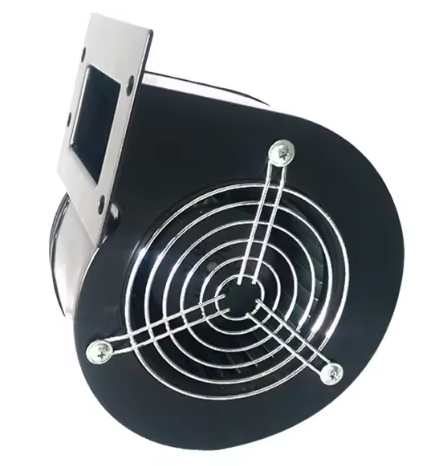
Maintaining your centrifugal fan is essential to ensure its longevity and optimal performance. Regular inspections and cleaning are crucial tasks that should not be overlooked. Dust and debris can accumulate on the blades and in the housing, leading to decreased efficiency and potential damage.
For effective maintenance, it’s recommended to conduct inspections at least every three months. During these checks, look for signs of wear, loose connections, and any buildup of dirt. Cleaning the fan components helps maintain airflow and efficiency.
● Lubrication Guidelines:
○ Bearings and other moving parts require regular lubrication to reduce friction and wear. Use the manufacturer’s recommended lubricant and apply it according to their specifications.
○ Check lubrication levels every month, especially in high-use environments.
Maintenance Task | Frequency | Purpose |
Inspection | Every 3 months | Identify wear and tear, ensure efficiency |
Cleaning | Every 3 months | Remove dust and debris |
Lubrication | Monthly | Reduce friction and extend component life |
Being proactive about maintenance means recognizing the signs that your centrifugal fan may need repair or replacement. Common indicators include unusual noises, such as grinding or rattling sounds, which can suggest that components are wearing out.
Another sign is decreased airflow. If you notice a significant drop in airflow, it could indicate blockages, motor issues, or that the fan blades are damaged. Additionally, excessive vibration is a critical warning sign; this can lead to more severe problems if not addressed promptly.
● Key Indicators of Issues:
○ Unusual Noises: Grinding or rattling sounds may indicate mechanical problems.
○ Reduced Airflow: A noticeable decrease can signal blockages or damage.
○ Excessive Vibration: This can lead to structural damage over time.
It’s important to address these issues as soon as they arise. Ignoring them can lead to operational failures, increased repair costs, and even complete system shutdowns. Regular maintenance and prompt attention to signs of wear will help keep your centrifugal fan running smoothly and efficiently.
Proper installation and maintenance of centrifugal fans are crucial for optimal performance. Following this guide will help ensure reliability and efficiency in your systems. We encourage you to share your experiences or ask any questions in the comments section below. Your insights can help others in the community!


