
Views: 0 Author: Site Editor Publish Time: 2025-12-12 Origin: Site
Have you ever wondered how industries maintain optimal airflow? Centrifugal fans play a crucial role in ensuring efficient ventilation and cooling across various sectors.
In this article, we’ll explore what centrifugal fans are, their working principles, and their significance in industrial applications. You’ll learn about their advantages and how they compare to other fan types.
Centrifugal fans are designed to meet specific operational needs across various industries. Understanding their key features can help you choose the right fan for your application. Let’s explore their design characteristics and performance metrics.
Centrifugal fans come in different designs, primarily distinguished by their blade types and housing configurations.
● Blade Types: The fan blades significantly impact performance.
○ Backward-Curved Blades: These blades are designed to handle high pressure and maintain airflow efficiency. They are ideal for applications requiring consistent performance.
○ Forward-Curved Blades: These blades provide a more balanced airflow but can generate higher noise levels. They are often used in situations where quieter operation is essential.
● Housing Design: The housing of a centrifugal fan affects airflow direction and efficiency.
○ Scroll Housing: This design optimizes airflow, reducing turbulence and energy loss. It allows the fan to efficiently direct air out of the exhaust.
○ Ducted vs. Non-Ducted: Ducted fans are used in systems where air must be channeled through ducts, while non-ducted fans are suitable for open environments.
When evaluating centrifugal fans, several performance metrics are essential to consider.
● Airflow Capacity and Pressure Ratings: These metrics indicate how much air a fan can move and the pressure it can generate.For example, a centrifugal fan may have an airflow capacity ranging from 100 to 10,000 cubic feet per minute (CFM), depending on its size and design.
Fan Model | Airflow Capacity (CFM) | Pressure Rating (inches of water) |
DC 9238 | 43.24 - 83.76 | Medium pressure |
Backward-Curved | Up to 10,000 | High pressure |
Forward-Curved | 100 - 5,000 | Moderate pressure |
● Noise Levels and Energy Efficiency: These factors are crucial, especially in residential or sensitive environments.
○ Centrifugal fans are designed to minimize noise. For instance, a fan may operate at noise levels between 49 dBA to 63 dBA, depending on its design and operating conditions.
○ Energy efficiency is another critical aspect. Many centrifugal fans are optimized for low energy consumption, which can save costs in the long run.
In conclusion, understanding these key features of centrifugal fans helps in selecting the right model for your needs. The combination of blade design, housing configuration, and performance metrics ensures that these fans can effectively serve various industrial applications.
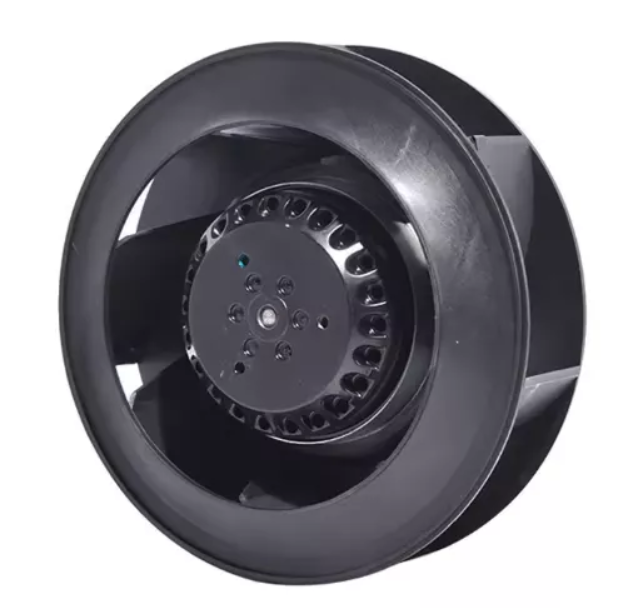
Centrifugal fans are versatile components used across various industries. Their ability to efficiently move air makes them essential for numerous applications. Let’s explore how these fans are utilized in different sectors.
In industrial manufacturing, centrifugal fans play a vital role in maintaining equipment efficiency. They are commonly used in welding machines and CNC equipment to ensure optimal operational temperatures.
● Cooling Mechanisms: For instance, variable frequency motors generate heat during operation. Centrifugal fans help dissipate this heat, preventing overheating and potential damage.
● Specific Examples: In printing machinery, these fans ensure consistent airflow, which is crucial for maintaining print quality and preventing paper jams.
Application | Equipment Type | Role of Centrifugal Fan |
Welding Machines | Arc Welding Machines | Cooling to prevent overheating |
CNC Equipment | CNC Lathes | Maintaining operational temperatures |
Printing Machinery | Digital Printers | Ensuring consistent airflow |
The electronics and IT sectors heavily rely on centrifugal fans for cooling sensitive equipment.
● Cooling Systems: Computers, servers, and network instruments generate significant heat. Centrifugal fans effectively cool these devices, ensuring they function reliably.
● Specific Examples: In graphics cards, fans prevent overheating during intensive tasks. Similarly, UPS systems utilize centrifugal fans to maintain optimal temperatures, safeguarding against failures.
Centrifugal fans are integral to HVAC systems, enhancing indoor air quality and comfort.
● Airflow Management: These fans facilitate ventilation, heating, and cooling in commercial buildings and industrial workshops. They ensure air circulates effectively, maintaining a comfortable environment.
● Specific Applications: In large office buildings, centrifugal fans help distribute conditioned air evenly, improving energy efficiency and comfort levels.
HVAC Component | Function | Role of Centrifugal Fan |
Air Handlers | Distributing air | Ensures even airflow |
Exhaust Systems | Removing stale air | Maintains indoor air quality |
Duct Systems | Air circulation | Supports efficient heating and cooling |
In the medical field, the performance of centrifugal fans is crucial for various devices.
● Sterile Environments: Medical instruments often require low noise and vibration levels. Centrifugal fans provide essential airflow while minimizing disturbances.
● Specific Examples: Ventilators use these fans to ensure patients receive adequate airflow without excessive noise. Other sensitive equipment benefits similarly from their quiet operation.
Centrifugal fans are also found in everyday applications, enhancing comfort in homes and businesses.
● Ventilation Systems: In kitchens, these fans help remove smoke and odors, improving air quality. Humidifiers also use centrifugal fans to distribute moisture evenly in the air.
● Specific Applications: Commercial stoves benefit from efficient airflow, which helps control cooking temperatures. Household ventilation systems ensure fresh air circulation, contributing to a healthier living environment.
Finally, centrifugal fans play a significant role in environmental protection efforts.
● Dust Removal Systems: They are essential in industrial settings for dust extraction and exhaust systems. These fans help maintain clean air by removing harmful particles from the environment.
● Specific Examples: Ventilation duct systems are designed to capture dust and other contaminants, supporting cleaner production processes across various industries.
Centrifugal fans are indispensable in many sectors. Their ability to efficiently manage airflow not only enhances performance but also contributes to safety and comfort in various applications.
Centrifugal fans offer numerous advantages, making them a preferred choice in various applications. Their design and functionality contribute to enhanced performance, efficiency, and reliability. Let’s delve into the key benefits of using centrifugal fans.
One of the standout features of centrifugal fans is their ability to handle high pressure.
● Comparison with Axial Fans: Unlike axial fans, which are designed for low-pressure applications, centrifugal fans excel in situations requiring higher pressure. This capability makes them ideal for ducted systems where air must be pushed through long distances or tight spaces.
Fan Type | Pressure Handling Capability | Ideal Applications |
Centrifugal Fan | High | HVAC systems, industrial processes |
Axial Fan | Low | Ventilation in open spaces |
Centrifugal fans are engineered to optimize airflow, ensuring effective air distribution.
● Minimizing Airflow Loss: The design of these fans, particularly their blade shape and housing, minimizes turbulence and airflow loss. This efficiency translates to better performance in various applications, from cooling systems to air handling units.
Energy consumption is a significant concern in any industrial or commercial setting.
● Low Energy Consumption: Centrifugal fans are designed to operate efficiently, reducing energy costs. With optimized motor technology and blade design, they consume less power while delivering high airflow. This efficiency not only lowers operational costs but also supports sustainability goals.
Efficiency Metric | Centrifugal Fan | Traditional Fans |
Power Consumption | Lower | Higher |
Energy Savings | Significant over time | Minimal |
The construction quality of centrifugal fans is another advantage.
● High-Quality Materials: Many centrifugal fans, like the DC 9238 model, are made with durable materials such as aluminum. This choice enhances longevity and ensures reliable operation under various conditions, reducing maintenance needs.
In today's market, product quality is paramount.
● Importance of Certifications: Centrifugal fans often come with certifications like UR, ISO, and CE. These certifications ensure that the fans meet international quality standards, providing peace of mind to users regarding safety and performance.
Noise levels can be a concern in many environments, especially in residential or medical settings.
● Precision-Balanced Components: Centrifugal fans are designed with precision-balanced components that minimize noise and vibration. As a result, they operate quietly, making them suitable for applications where noise reduction is essential, such as in hospitals or libraries.
Feature | Centrifugal Fan | Benefits |
Noise Level | Low | Ideal for sensitive environments |
Vibration | Minimal | Enhances comfort and operational stability |
Centrifugal fans stand out due to their high pressure handling, efficient airflow, and energy savings. Their durability, compliance with standards, and low noise levels make them an excellent choice for a wide range of applications. With these advantages, it's clear why centrifugal fans are essential in various industries.
Selecting the appropriate centrifugal fan for your specific application can significantly impact performance and efficiency. With various models and specifications available, it’s essential to consider several factors to ensure you make the right choice. Let’s explore what you should keep in mind when choosing a centrifugal fan.
When choosing a centrifugal fan, understanding your application requirements is crucial.
● Application Requirements: Different applications demand different airflow and pressure levels. For instance, a fan used in a welding machine may require higher pressure handling compared to one used in a simple ventilation system. Make sure to assess the airflow capacity needed, typically measured in cubic feet per minute (CFM), and the pressure requirements in inches of water column (in WC).
● Noise Level Considerations: Noise can be a significant factor, especially in residential or sensitive environments. If noise is a concern, look for fans designed for low sound levels. Many centrifugal fans are engineered to operate quietly, but checking the dBA rating can help you choose the right one.
● Energy Efficiency Ratings: Energy consumption is another important aspect. Opt for fans with high energy efficiency ratings, as they can lead to lower operational costs over time. Look for models that meet or exceed industry standards for energy efficiency.
Familiarizing yourself with popular centrifugal fan models can help you identify the right fit for your needs.
● Overview of Popular Models: One widely recognized model is the DC 9238. This fan is known for its versatility and efficiency in various applications, from HVAC systems to industrial settings. Understanding its specifications can provide insights into its performance capabilities.
Model | Airflow Capacity (CFM) | Pressure Rating (in WC) | Noise Level (dBA) | Voltage Options |
DC 9238 | 43.24 - 83.76 | Medium | 49 - 63 | 120V, 240V |
Model X | Up to 10,000 | High | 50 - 65 | 120V |
Model Y | 100 - 5,000 | Moderate | 45 - 60 | 230V |
● Key Specifications to Look For: When evaluating different models, consider key specifications such as:
○ Speed Options: Some models offer variable speed settings, allowing for better control over airflow.
○ Voltage Options: Ensure the fan’s voltage matches your system requirements to avoid compatibility issues.
○ Airflow Range: Check the airflow range to ensure it meets your application needs, whether for cooling, ventilation, or exhaust.
Choosing the right centrifugal fan involves careful consideration of your specific requirements and the available options. By focusing on factors like airflow, noise levels, and energy efficiency, you can select a fan that not only performs well but also fits seamlessly into your operational setup.
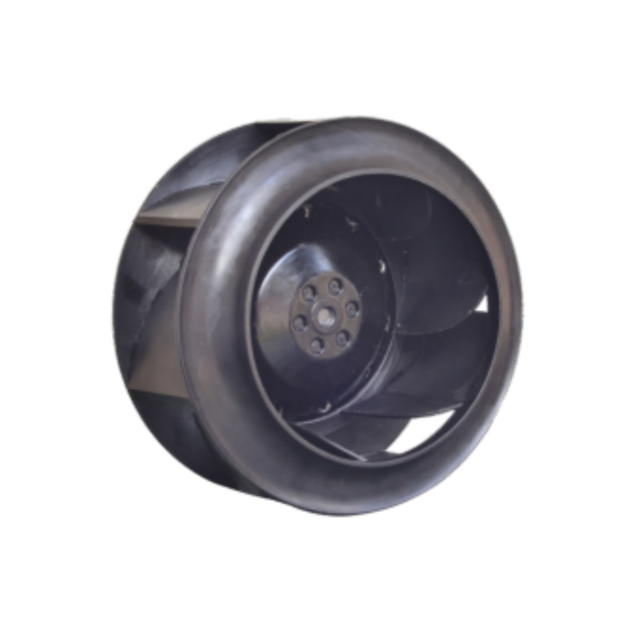
As industries evolve, so do the technologies that support them. Centrifugal fans are no exception. Innovations in design and efficiency, sustainability efforts, and smart technology integration are shaping the future of centrifugal fan technology. Let’s explore these exciting trends.
The design of centrifugal fans is undergoing significant advancements.
● Advances in Materials and Technology: New materials, such as lightweight composites and advanced metals, are being used to enhance fan durability and performance. These materials not only reduce the overall weight of the fans but also improve their resistance to wear and tear. Additionally, manufacturing techniques like 3D printing allow for more complex designs, which can optimize airflow and reduce noise.
Material Type | Benefits | Applications |
Lightweight Composites | Reduced weight, improved efficiency | HVAC systems, portable fans |
Advanced Metals | Enhanced durability | Industrial fans, high-pressure applications |
Sustainability is a key focus in the development of new centrifugal fans.
● The Shift Towards Energy-Efficient Solutions: Manufacturers are increasingly prioritizing energy efficiency in fan design. This shift is driven by regulatory requirements and consumer demand for greener products. Energy-efficient centrifugal fans can significantly lower operational costs and reduce carbon footprints.
Efficiency Metric | Traditional Fans | Energy-Efficient Fans |
Power Consumption | Higher | Lower |
Annual Energy Savings | Minimal | Significant |
The integration of smart technology is revolutionizing how centrifugal fans operate.
● Role of IoT in Fan Operation and Monitoring: The Internet of Things (IoT) is making it possible to monitor fan performance in real-time. Smart sensors can track airflow, temperature, and energy consumption, enabling predictive maintenance and optimizing performance. This technology allows for remote control and adjustments, enhancing operational efficiency and reducing downtime.
IoT Feature | Functionality | Benefits |
Real-time Monitoring | Tracks performance metrics | Enables proactive maintenance |
Remote Control | Adjusts settings from anywhere | Improves convenience and efficiency |
The future of centrifugal fan technology is bright, characterized by innovative designs, a commitment to sustainability, and the integration of smart technologies. As these trends continue to develop, we can expect centrifugal fans to play an even more critical role in various industries, enhancing performance while reducing environmental impact.
Centrifugal fans play a vital role in various industries. They provide efficient airflow and pressure handling for applications like HVAC, manufacturing, and electronics. Their benefits include energy efficiency, durability, and low noise levels.
Explore different centrifugal fan options to meet your specific needs. For more information, check product catalogs and additional resources on centrifugal fan technology.
A: Centrifugal fans handle higher pressure and are more efficient in ducted systems, while axial fans are better for low-pressure applications.
A: Assess your airflow and pressure requirements, then consult manufacturer specifications to find a suitable model.
A: Regularly check for dust buildup, lubricate moving parts, and inspect for wear to ensure optimal performance.
A: Yes, but choose models specifically designed for outdoor use to withstand environmental conditions.
A: Industries like HVAC, manufacturing, electronics, and medical applications benefit significantly from centrifugal fans.
A: Noise levels typically range from 45 dBA to 65 dBA, depending on the design and application.
A: Their energy-efficient designs reduce power consumption, leading to lower operational costs and enhanced sustainability.


