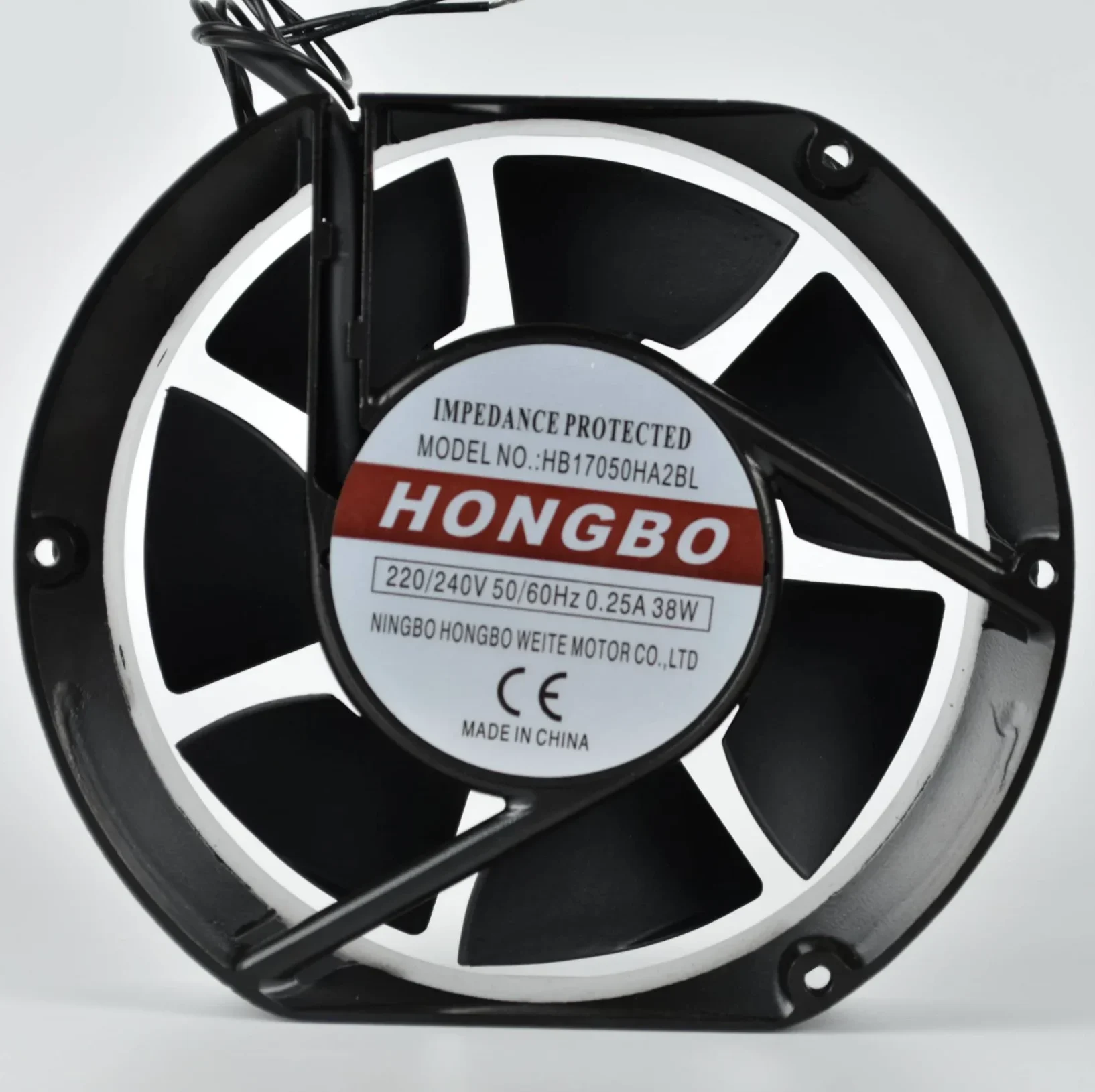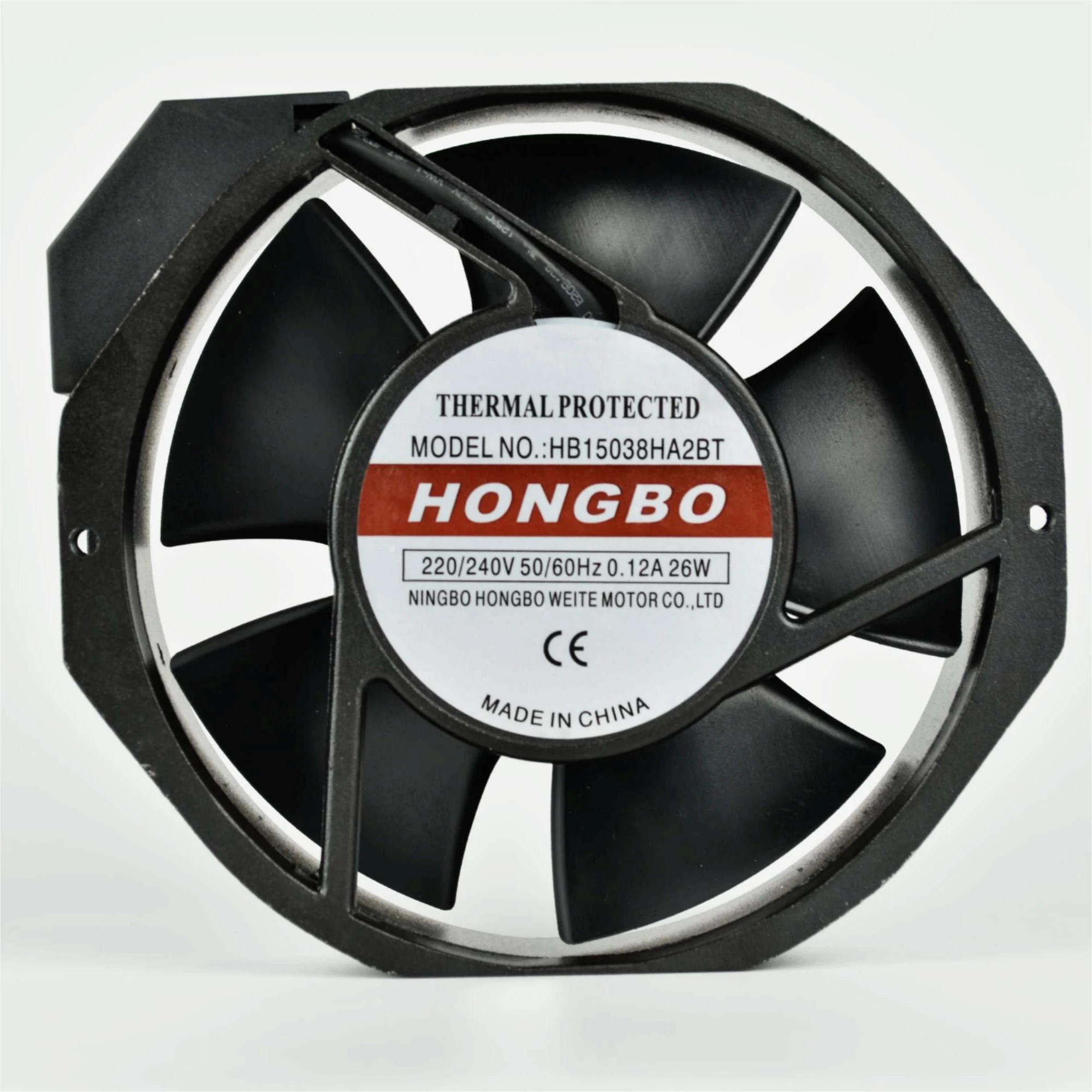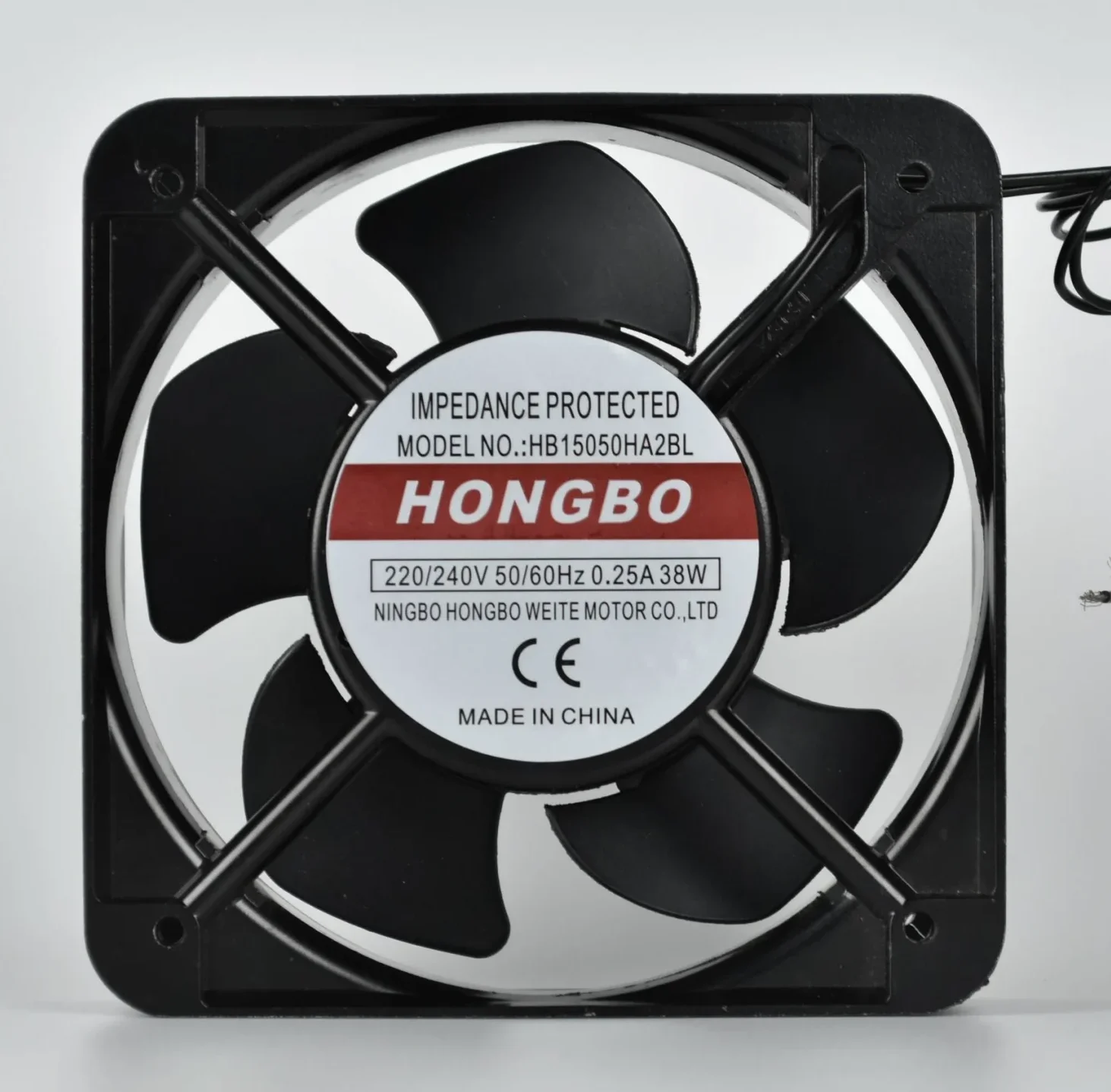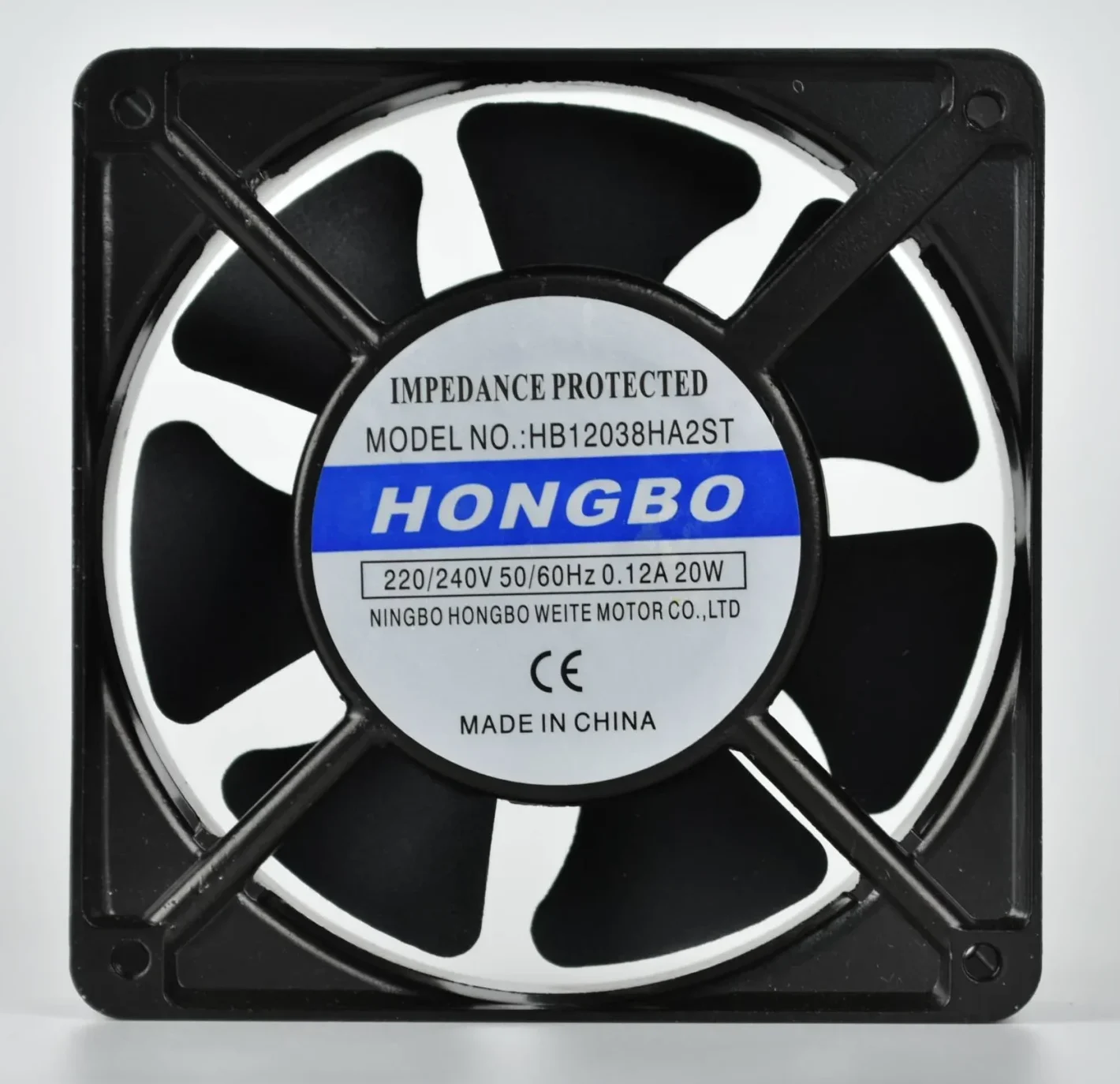
How to Choose an AC Axial Fan for Industrial Cooling
An AC axial fan may run inside an electrical cabinet, machine enclosure, HVAC unit, or industrial control system for thousands of hours. The right model helps control temperature, protect components, and reduce maintenance.
Fan size and voltage are the starting point. Buyers should also check airflow, static pressure, bearing type, mounting dimensions, noise, and working conditions.
This guide gives OEM buyers, equipment manufacturers, distributors, and procurement teams a practical selection process.
What Is an AC Axial Fan?
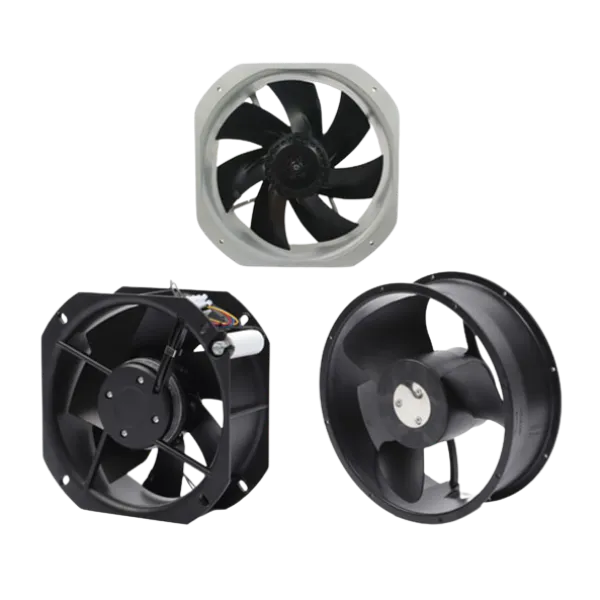
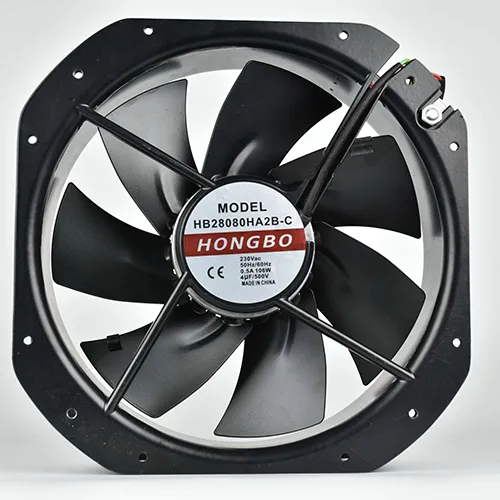
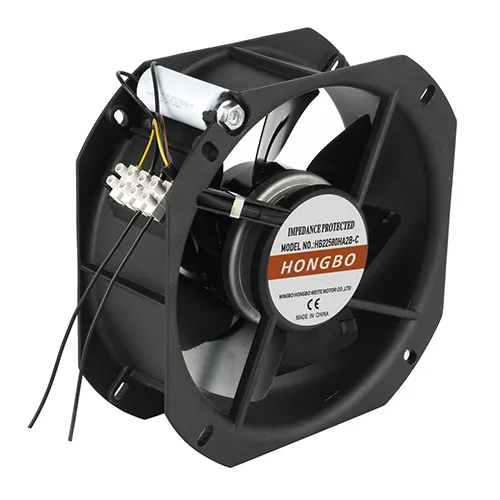
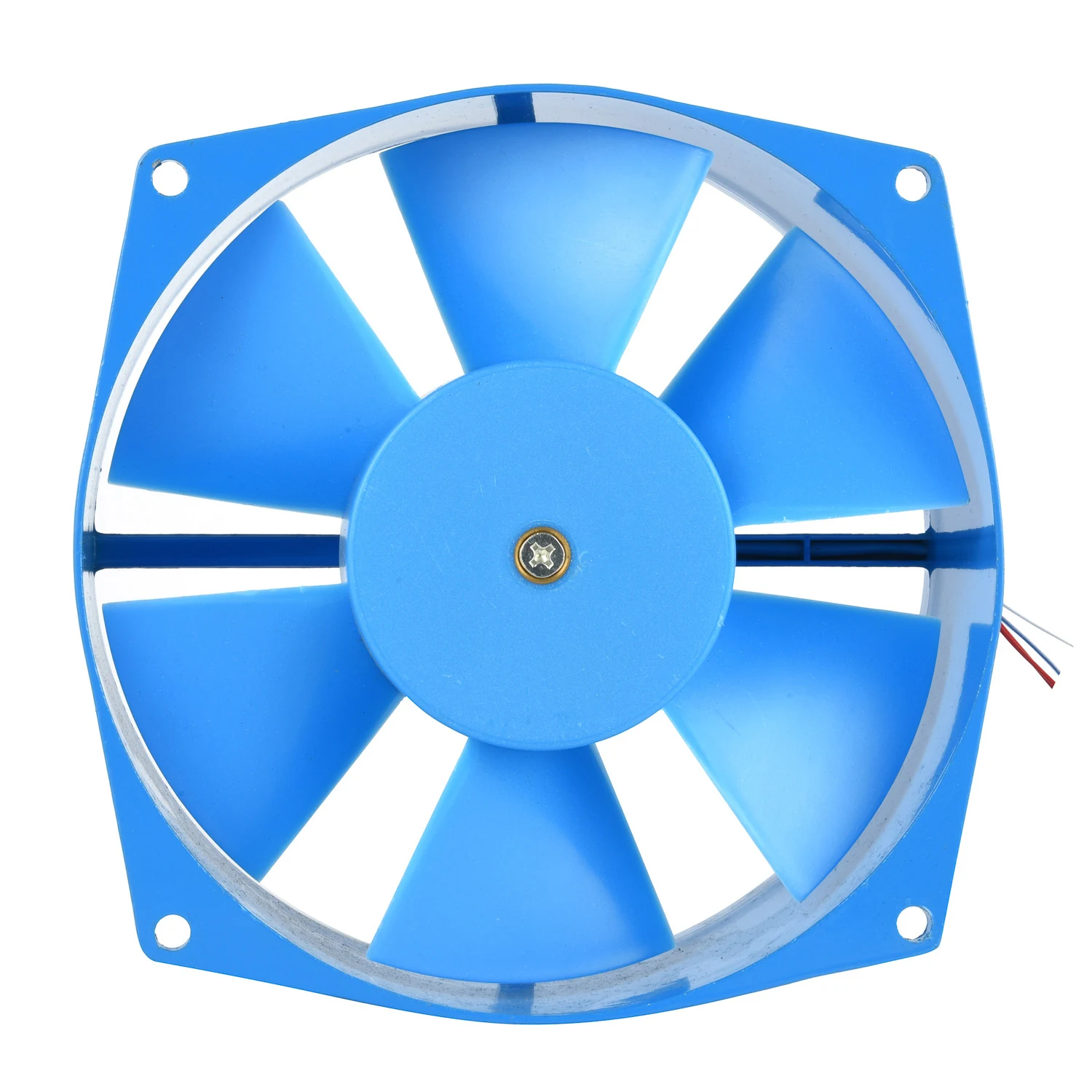
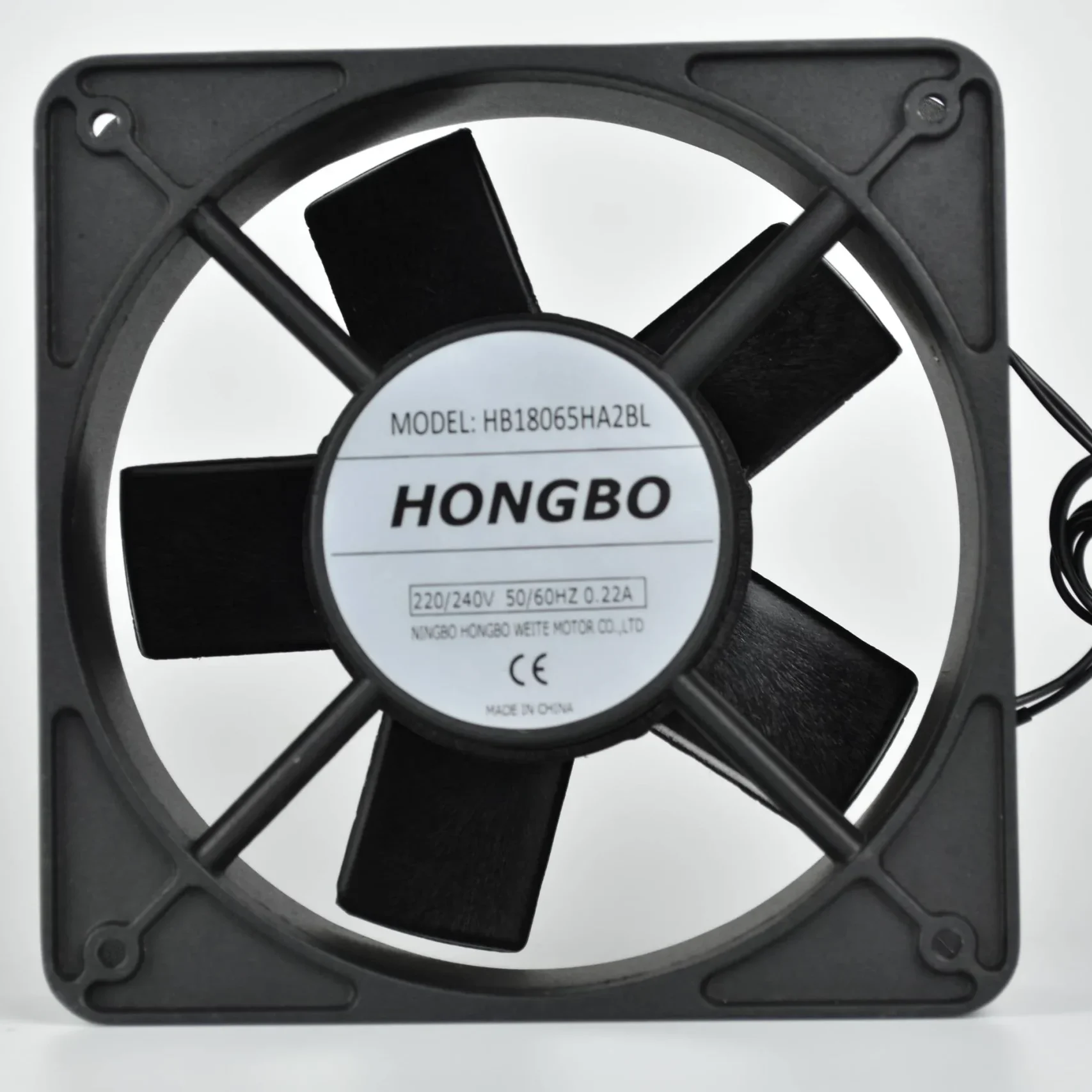
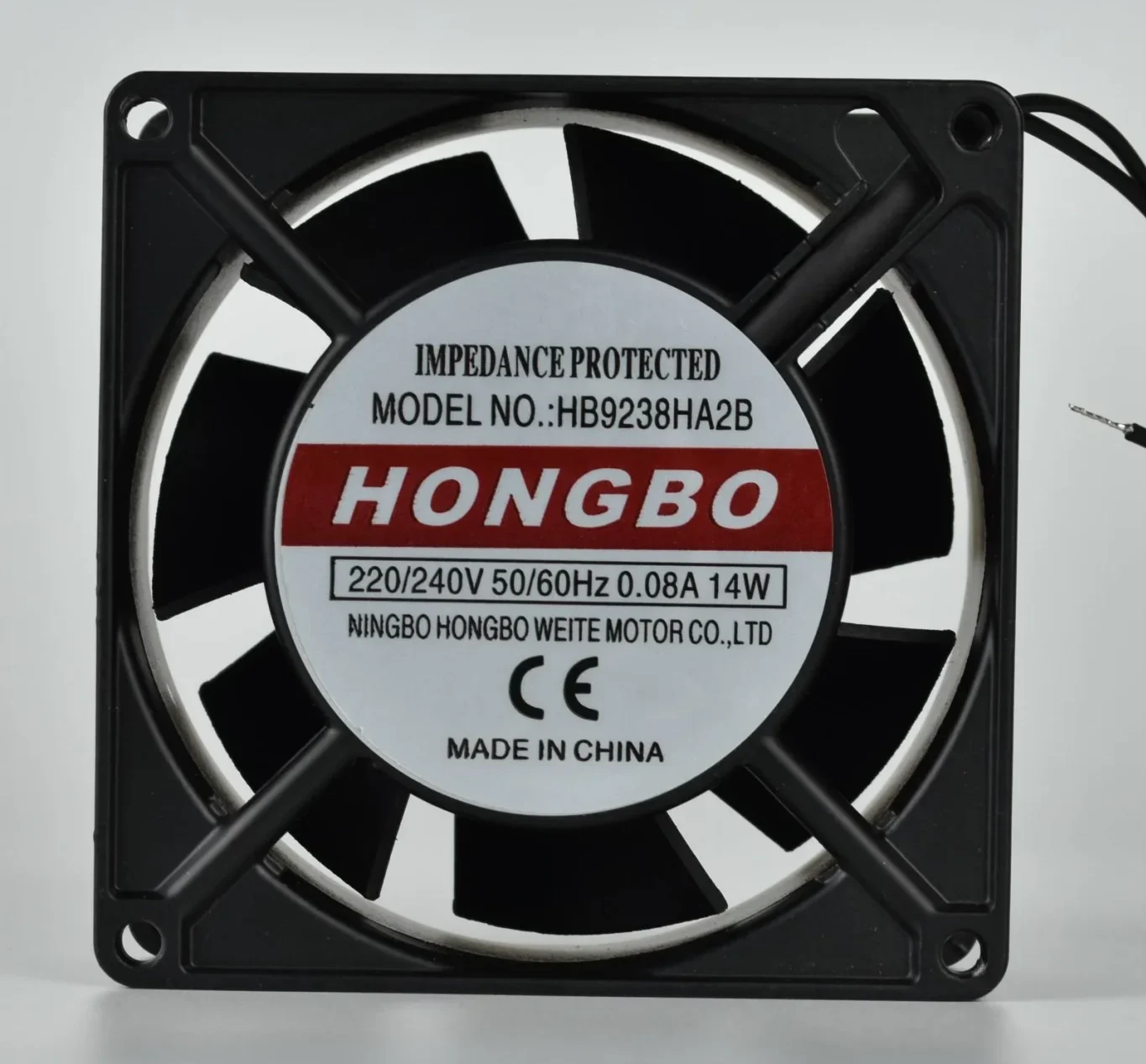
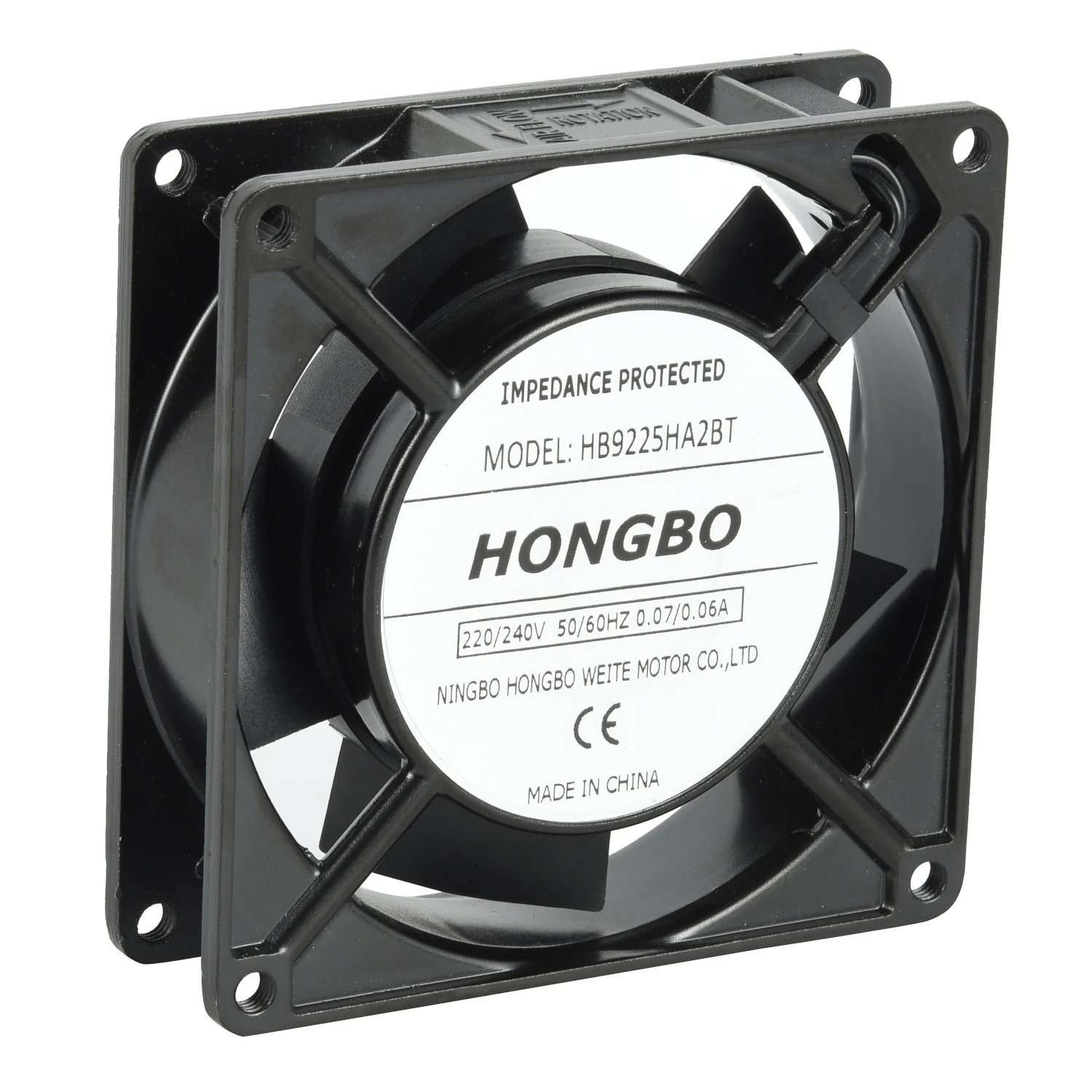
An AC axial fan uses alternating current and moves air along the direction of its shaft. Air enters one side and leaves through the other in a straight path.
Common voltage options include 110V, 115V, 120V, 220V, 230V, and 240V. AC axial fans are widely used for:
- Electrical cabinet cooling
- Industrial control panels
- Machinery enclosures
- HVAC equipment
- Power equipment
- General ventilation
They work well when the application needs steady airflow and the air path has moderate resistance. Systems with long ducts or dense filters may require a centrifugal fan with higher pressure capability.
1. Confirm Voltage and Frequency
Start with the equipment power supply. Confirm:
- Rated voltage
- 50Hz or 60Hz frequency
- Power consumption
- Lead wire, terminal, or connector
- Destination market
Voltage and frequency can affect fan speed, airflow, power use, and noise. Include the destination country in your RFQ so the manufacturer can confirm the correct electrical specification.
2. Check Size and Mounting Dimensions
Measure more than the outside frame. Check:
- Frame width and height
- Fan thickness
- Mounting hole spacing
- Screw hole diameter
- Inlet and outlet clearance
- Guard or filter compatibility
For a replacement project, send the old fan model, label photo, and dimensions. For new equipment, leave enough clearance for airflow and future maintenance.
3. Match Airflow to the Cooling Requirement
Airflow is usually stated in CFM, m3/h, or m3/min. The required value depends on:
- Heat generated inside the equipment
- Enclosure size
- Ambient temperature
- Target internal temperature
- Inlet and outlet design
- Filter and grille resistance
Catalog airflow is often measured under free-air conditions. Installed airflow will be lower when the fan works behind a filter, grille, heat sink, or narrow vent.
Provide the heat load and operating conditions when possible. This helps the supplier recommend a suitable model.
4. Review Static Pressure
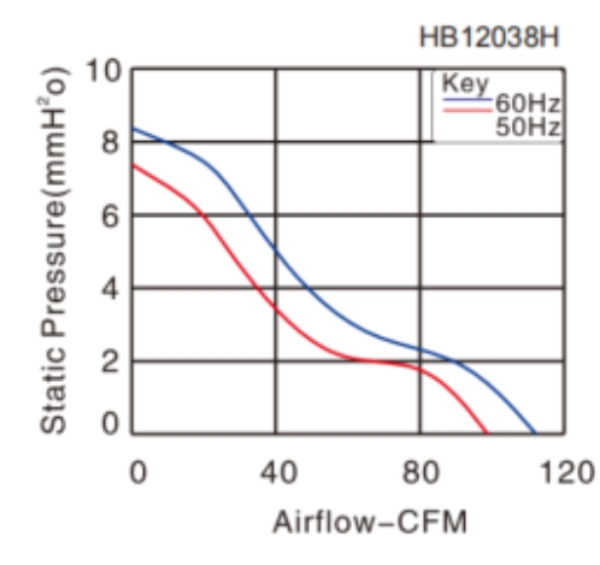
Static pressure shows how well a fan moves air through resistance.
Resistance may come from filters, protective grilles, dense components, heat sinks, narrow vents, or ducts. Check the fan performance curve when these features are present.
An axial fan often suits cabinet intake and exhaust. A centrifugal fan may suit ducted systems or applications with higher pressure requirements.
5. Choose the Bearing Type
Sleeve bearings and ball bearings are common options.
| Bearing type | Main characteristics | Typical use |
|---|---|---|
| Sleeve bearing | Lower cost and low initial noise | Moderate operating hours in controlled environments |
| Ball bearing | Longer service life and stronger high-temperature performance | Continuous industrial use and equipment with limited maintenance access |
Consider daily operating hours, temperature, installation orientation, expected lifetime, and maintenance access. Ball bearings are often selected for continuous industrial operation.
6. Consider Noise and Environment
Noise matters in indoor control panels, HVAC systems, laboratories, and machinery installed near occupied areas. Fan speed, blade design, bearings, mounting, and airflow resistance all affect sound levels.
Describe the working environment in the RFQ, including:
- Temperature range
- Dust or humidity
- Water spray or oil mist
- Outdoor exposure
- Chemical vapor
- Vibration
A clean indoor cabinet may use a standard fan. Harsh environments may require better sealing, suitable materials, or a specified IP rating. Verify protection claims for the exact model before ordering.
7. Plan the Airflow Direction
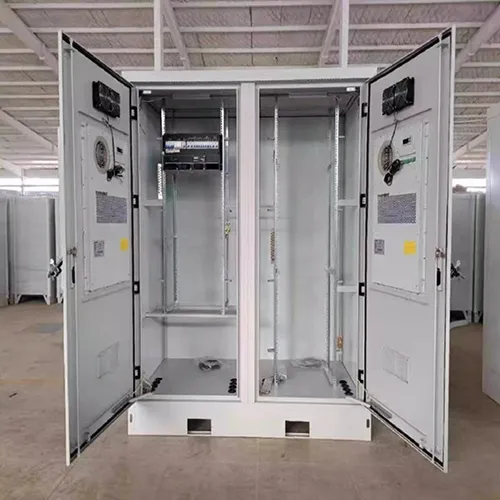
Good airflow should carry heat away from critical components and move it out of the enclosure.
For many electrical cabinets, cool air enters lower in the enclosure and hot air exits near the top. Check that components do not block the airflow and that exhausted air cannot return directly to the intake.
Confirm the fan direction before assembly. Add airflow arrows to the equipment drawing when possible.
AC Axial Fan Selection Checklist
Send this information when requesting a recommendation:
| Requirement | Information to provide |
|---|---|
| Power supply | Voltage and frequency |
| Installation | Frame size, thickness, and mounting holes |
| Cooling target | Airflow or equipment heat load |
| Resistance | Filters, grilles, ducts, and narrow vents |
| Application | Cabinet, machinery, HVAC, power equipment, or ventilation |
| Environment | Temperature, humidity, dust, oil, water, and vibration |
| Service life | Daily operating hours and maintenance access |
| Noise | Target dBA range when required |
| Order details | Sample quantity, production quantity, and destination market |
| Customization | Wire, connector, guard, label, color, or packaging |
Clear requirements shorten the selection process and reduce the risk of ordering an unsuitable fan.
Ask Hongbo Motor for a Recommendation
Hongbo Motor can review AC axial fan requirements for industrial equipment, electrical cabinets, ventilation systems, and OEM products.
Send your voltage, frequency, fan dimensions, airflow target, application, working environment, quantity, and customization needs. [Contact Us] Hongbo Motor team can discuss a suitable fan model or customization option for your project.