ENGINEERED FOR RELIABLE PERFORMANCE
Quality Testing for
Industrial Cooling Fans
Reliable cooling performance starts with product verification. Hongbo Motor uses applicable inspection and testing procedures to evaluate industrial fans against their electrical, mechanical and functional requirements.
Explore our quality control process, available testing capabilities and technical documentation for industrial cooling applications.
MODEL-SPECIFIC VERIFICATION
DEFINED TEST CONDITIONS
01 / EQUIPMENT IN FOCUS
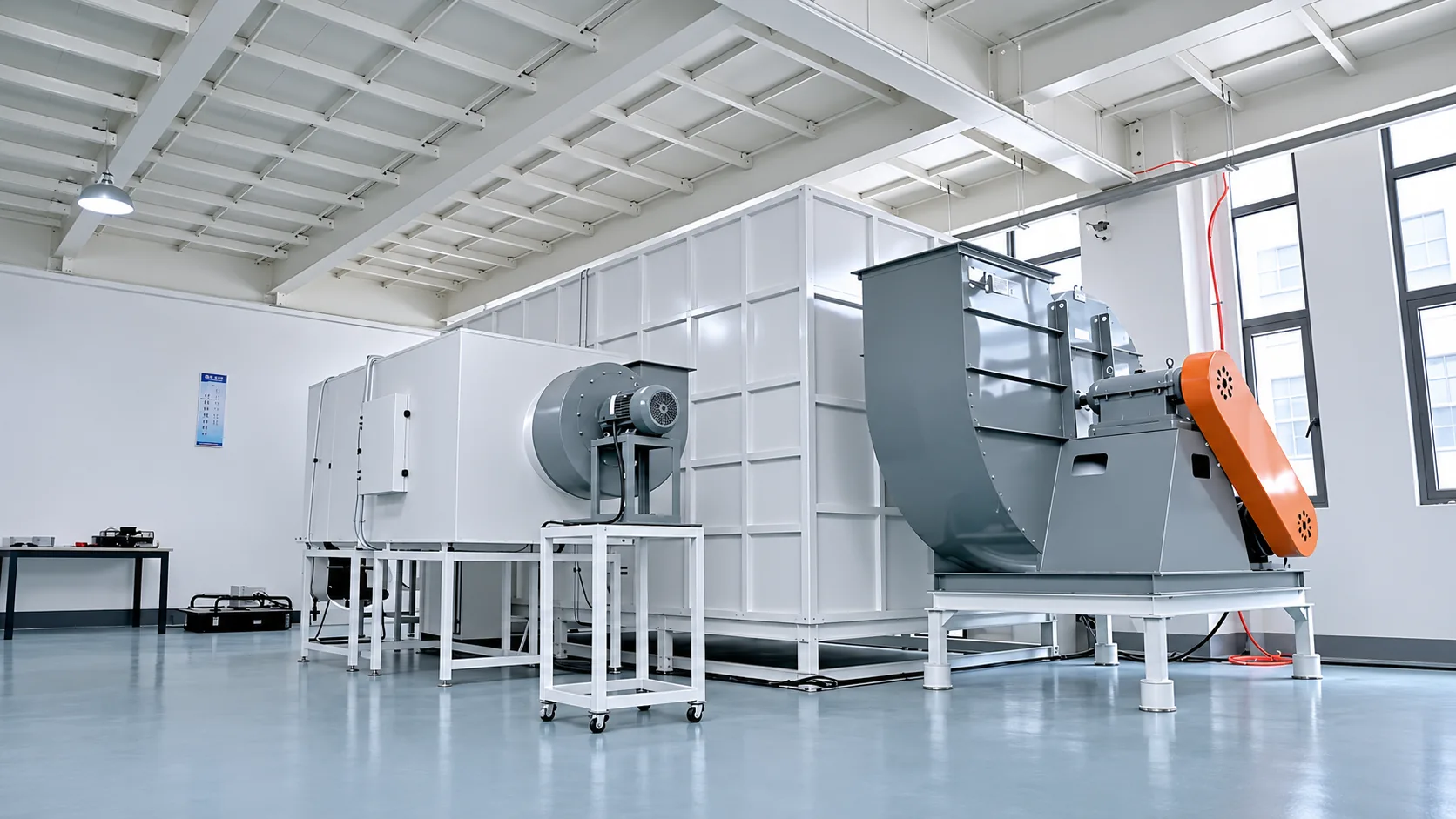
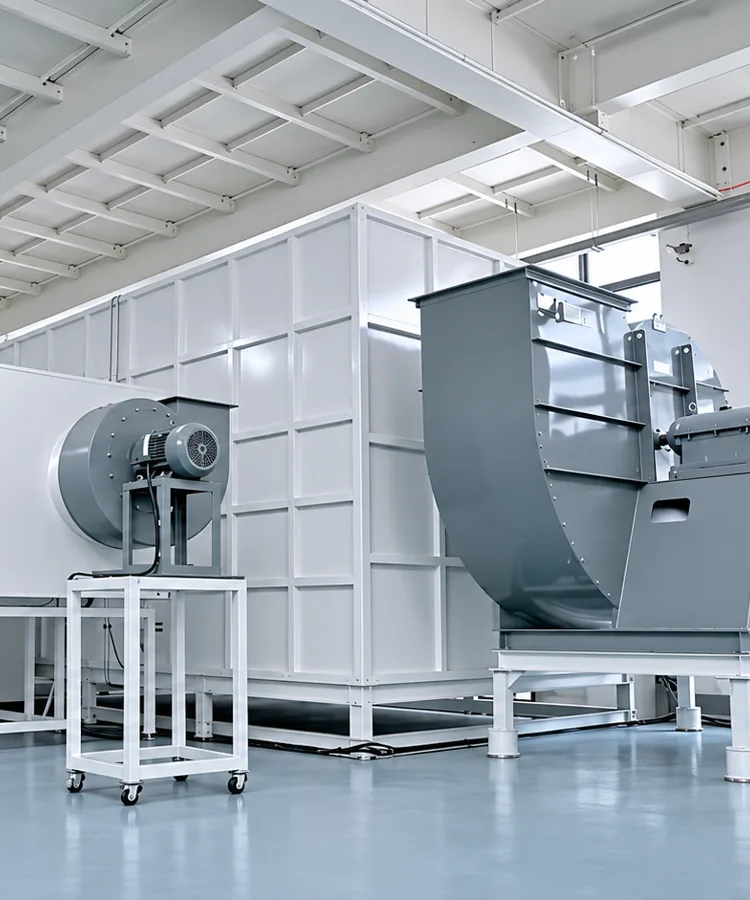
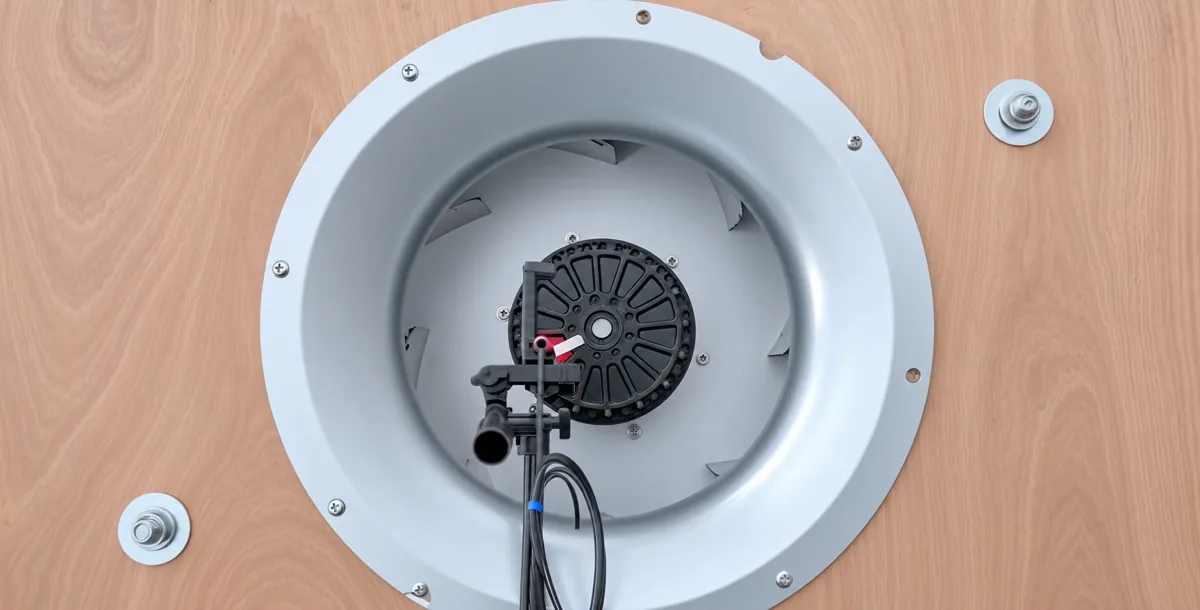
Airflow test setup
Confirm the applicable method and model coverage with our team.
02 / QUALITY TESTING
Quality Control from Components to Finished Fans
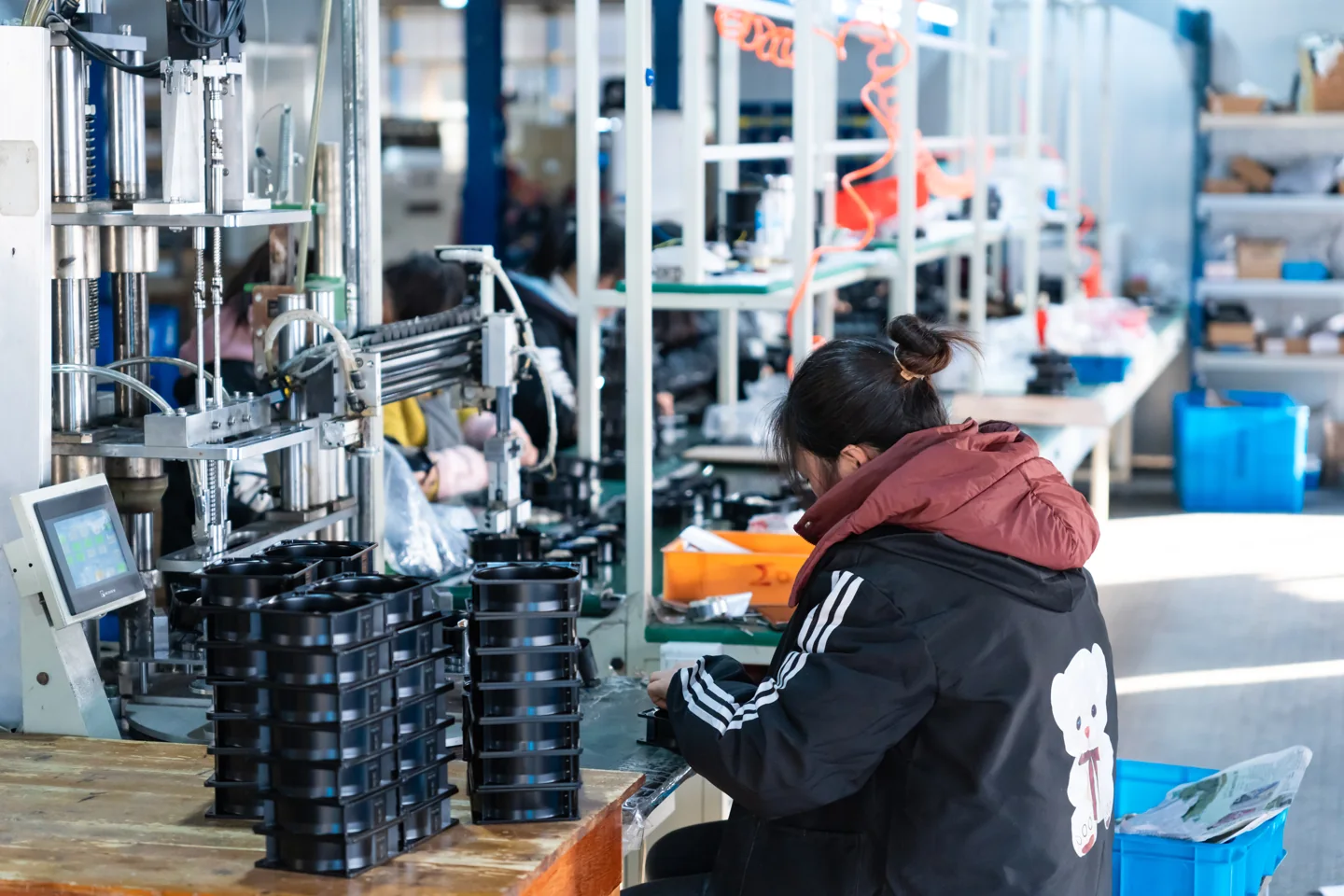
Industrial cooling fans must meet the specific requirements of their intended equipment and operating environment. Our quality control process connects component inspection, manufacturing checks and finished product verification.
Depending on the fan model, application and customer requirements, inspection may cover material specifications, dimensions, electrical characteristics, mechanical condition and operating performance.
For OEM projects, testing requirements and acceptance criteria can be reviewed during sample evaluation and before mass production.
02
→
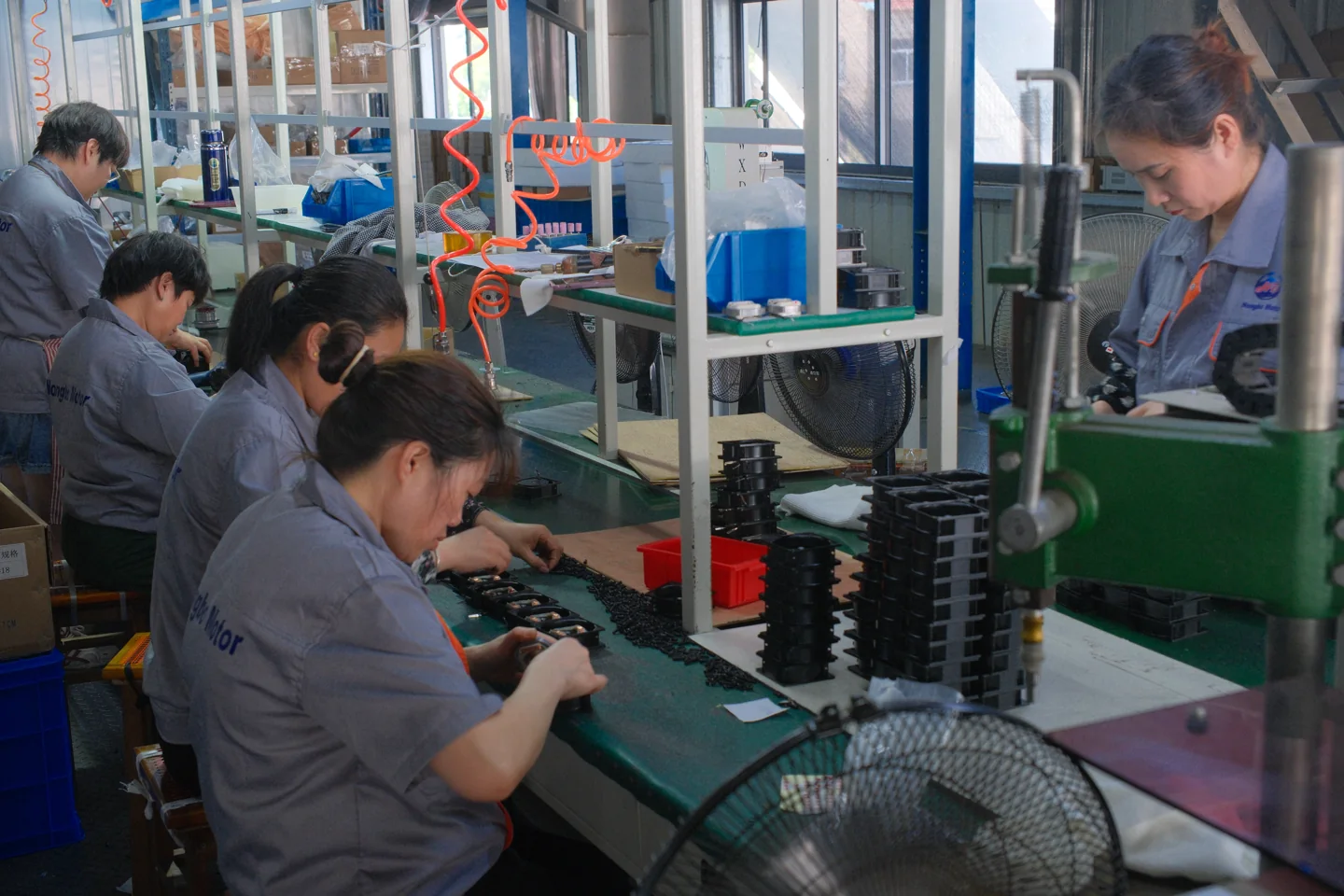
In-Process Inspection
Production checks help identify assembly and manufacturing issues before products move to the next stage.
03
→
Final Product Inspection
Finished fans are checked against applicable specifications and customer order requirements before shipment.
ENGINEERING CHECKPOINT
Agree the selected fan configuration, inspection scope and acceptance criteria before sample approval or production.
03 / QUALITY TESTING
Airflow & Fan Performance Testing
Airflow and static pressure are important factors when selecting cooling fans for industrial equipment. Fan performance must be considered in relation to system resistance, installation conditions and operating requirements.
Where applicable test data is available, Hongbo Motor provides performance information to help customers evaluate whether a selected fan is suitable for their application.
For projects requiring a specific operating point or performance curve, our technical team can review the requested model, voltage, frequency and testing conditions.
View equipment ↗
01
Airflow Testing
Airflow measurements help evaluate the volume of air delivered by a fan under defined test conditions.
02
Static Pressure & Performance Curves
Pressure and airflow data help engineers understand how fan performance changes under different system resistance conditions.
P–Q / MODEL-SPECIFIC RECORD
Evaluate the curve for your configuration.
A verified performance curve should identify the fan model, electrical supply, test method and installation conditions. Ask our team to check the available record for your selected fan.
Model-Specific Test Conditions
Results must be read with the configuration and method used. No verified numeric test record has been supplied for this preview.
| Fan Model | Voltage | Frequency | Airflow | Static Pressure | Test Conditions | Report Reference |
|---|---|---|---|---|---|---|
| Specify model | Specify supply | Specify frequency | Verified data required | Verified data required | Method & installation required | Request availability |
Facility ownership, third-party involvement, calibration and applicable test standards must be confirmed before describing this setup as an in-house testing facility.
04 / QUALITY TESTING
Electrical Performance & Safety Verification
Electrical characteristics influence how industrial fans operate within equipment and electrical systems. Depending on the product configuration and applicable requirements, electrical checks may include operating voltage, current, power consumption and functional operation.
Additional electrical safety verification can be reviewed according to the model, applicable standards and customer specifications.
View equipment ↗
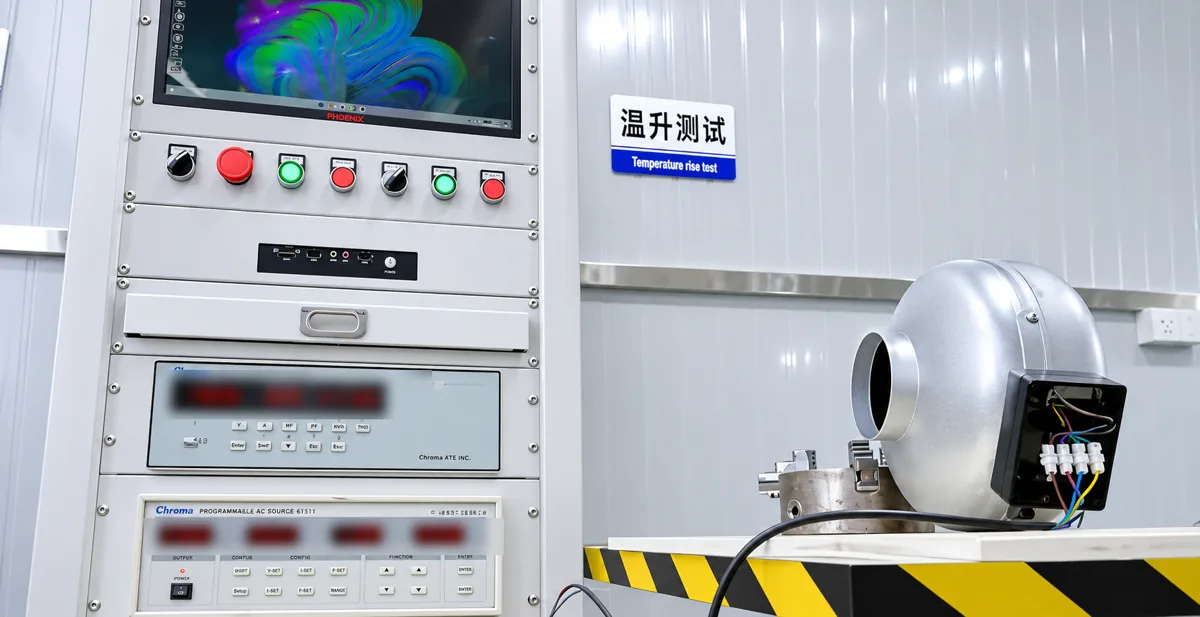
EQUIPMENT SHOWN IN LOCAL PHOTOGRAPHY
Operating Characteristics
Electrical measurements help verify that fan operation is consistent with the specified voltage, frequency and power requirements.
- Voltage & Current Measurement
- Metering and supply equipment are visible. Confirm the measurement procedure, supply settings and applicable models.
- Power Consumption Testing
- A power meter is visible in the test cabinet. Released results and acceptance limits are required for a model-specific statement.
ADDITIONAL SCOPE TO REVIEW
Electrical Safety
Applicable insulation and dielectric strength checks help evaluate electrical safety according to defined testing procedures.
Insulation resistance and dielectric strength testing require confirmation of the equipment, applicable procedure and report availability. No test voltage, duration, insulation class or compliance claim is stated here.
05 / QUALITY TESTING
Mechanical Reliability & Operating Characteristics
Mechanical design and operating characteristics are important considerations for industrial cooling applications. Applicable product checks can include dimensions, rotational speed, assembly condition and noise-related performance.
Test results should be evaluated together with the product configuration, installation method and specified operating conditions.
MODEL-SPECIFIC CHECKS / SCOPE TO CONFIRM
01
Dimensional Inspection
Product dimensions and mounting features are checked against applicable drawings and specifications.
Request the inspection record for the selected drawing revision.
02
Rotational Speed Testing
Speed measurements help verify the operating characteristics of the selected fan configuration.
Instrument, measurement procedure and operating point require confirmation.
03
Noise Measurement
Where acoustic data is available, noise levels are reported together with relevant measurement conditions.
Acoustic facility, background noise, distance and installation conditions require confirmation.
04
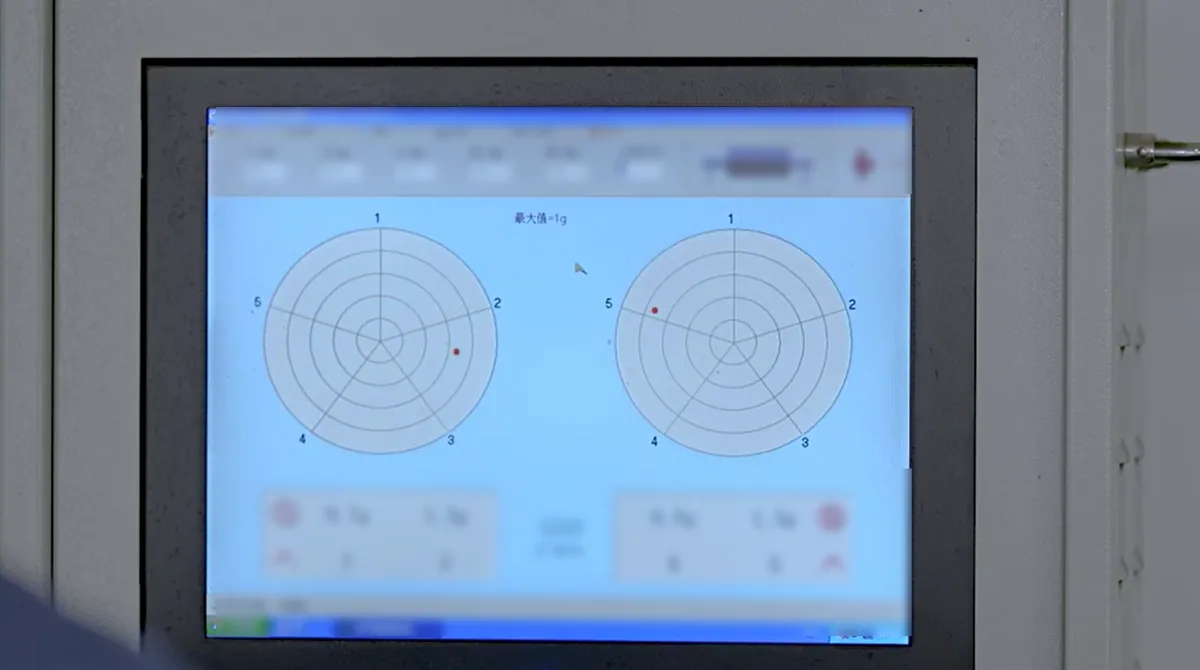
Balance & Vibration Evaluation
Where applicable, balance or vibration checks help evaluate rotating component characteristics.
A balancing interface is pictured. Vibration testing is a separate scope to confirm.
View equipment ↗
Read the result in context.
Model, assembly condition, mounting, electrical supply and the measuring method all affect how a result should be interpreted.
06 / QUALITY TESTING
Testing for Specific Application Requirements
Different industrial applications may require different verification procedures. Operating temperature, installation conditions, airflow restrictions, electrical supply and duty cycle can all influence fan selection and reliability.
For projects requiring additional endurance, temperature or application-specific testing, Hongbo Motor can review the required test conditions and available verification options before production.
START WITH YOUR OPERATING CONDITIONS
Define the application before defining the test.
The photographed temperature-rise station is shown in the electrical section above. Temperature range, duration, loading, sensors and acceptance criteria have not yet been verified.
- Endurance & continuous operationAgree duty cycle, duration and failure criteria.
- Temperature testingSpecify ambient conditions, measurement points and limits.
- Customer-specific validationProvide the application, required procedure and acceptance criteria.
These are verification topics for technical review, rather than claims of confirmed laboratory scope.
07 / QUALITY TESTING
Testing Equipment and Technical Documentation
Technical documentation helps engineers evaluate industrial fan specifications and compare available configurations.
Depending on the model and available records, documentation may include dimensional drawings, electrical characteristics, airflow performance data and applicable test reports.
| Equipment | Test Purpose | Applicable Models | Test Conditions | Documentation |
|---|---|---|---|---|
| Airflow test setup ↗ | Airflow / pressure evaluation; exact method to confirm | Confirm by model | Procedure, settings & calibration to confirm | Request record ↗ |
| Power meter & AC source ↗ | Electrical operating characteristics | Confirm by model | Procedure, settings & calibration to confirm | Request record ↗ |
| Temperature-rise station ↗ | Temperature-related verification | Confirm by model | Procedure, settings & calibration to confirm | Request record ↗ |
| Balancing measurement interface ↗ | Rotating component balance evaluation | Confirm by model | Procedure, settings & calibration to confirm | Request record ↗ |
REQUEST THE RELEVANT RECORD
Documentation for engineering decisions.
Availability depends on the selected product and agreed testing scope. Documents below are request categories; no unverified report is offered for download.
01 / TECHNICAL RECORD
Electrical Test Report
Ask for operating characteristics and the applicable configuration.
02 / TECHNICAL RECORD
Airflow Performance Report
Ask for verified performance data and the associated test conditions.
03 / TECHNICAL RECORD
Dimensional Inspection Record
Provide the fan model, drawing and revision to be reviewed.
04 / TECHNICAL RECORD
Applicable Safety Documentation
Specify the target market, model and documentation requirement.
Help us identify the right record.
Include the fan model, voltage, frequency, application and the report or standard you need.
08 / QUALITY TESTING
Frequently Asked Questions
What tests are performed on Hongbo Motor fans?
Inspection and testing requirements vary by fan model and customer specifications. Applicable checks may include dimensions, electrical characteristics, functional operation and other agreed verification procedures.
Can I request an airflow or static pressure curve?
Please share the required fan model and operating configuration. Our team can check whether a verified performance curve or relevant test data is available.
Can you provide test reports for OEM projects?
Project-specific documentation requirements can be reviewed during quotation and sample approval. Availability depends on the selected product and agreed testing scope.
Are all fans tested using the same procedures?
No. Testing procedures depend on product design, operating requirements and applicable inspection criteria.
Can I request additional product validation?
Yes. Please provide your application, required standards and acceptance criteria so our technical team can review the feasibility and testing requirements.
Compare performance reports
Read two reports at the same operating point
Start with the needed airflow and pressure for the equipment. A free-air airflow value alone cannot describe how much air moves through a cabinet filter or restricted grille.
Match the setup
Check the model suffix, voltage, frequency or speed setting, mounting and inlet or outlet arrangement.
Compare at the duty point
Locate the required airflow and pressure on each curve. Compare power and acoustics only when the reports use equivalent conditions.
Keep the evidence with the quote
Record the curve date or revision and the agreed acceptance range with the proposed fan configuration.
LET’S REVIEW YOUR REQUIREMENTS
Need Verified Performance Data for Your Project?
Share your fan model, operating voltage, airflow requirements and application conditions. Our team can help review available technical data, testing options and relevant product documentation.
TO START THE REVIEW
- Fan model & configuration
- Operating voltage & frequency
- Airflow & application conditions
- Required test or documentation