Industrial Cooling Fan Applications
Find the guide for your equipment. Each guide shows where the fan fits, what can restrict the airflow and which dimensions or test data to check before selecting a model.
Choose the equipment and the airflow path
Replacing an installed fan? Save a photo of the full nameplate and note the supply, airflow direction and available depth.
Designing a new assembly? Mark the heat source, intake, exhaust and restrictions such as filters. Bring your target airflow at the expected operating pressure if you have it.
Machine controls and electrical enclosures
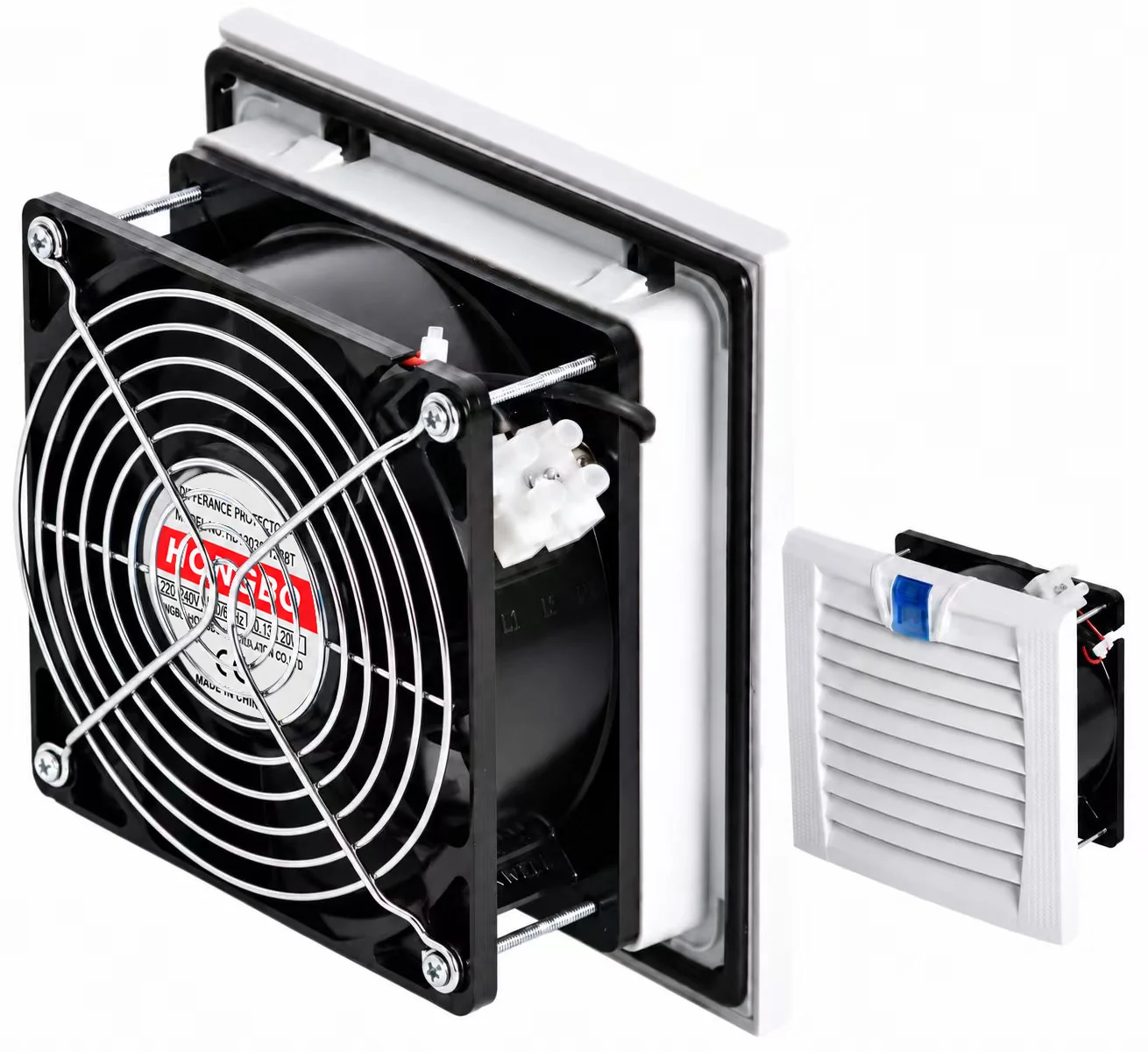
Start with the heat source and the path to the exhaust opening. Panel fans, filters and fans inside a machine have different mounting and service constraints.
Check cabinet heat, panel cutout and filter resistance. Follow the selection example to compare a suitable frame against the installed airflow.
Work through a 120 mm cabinet fan example
Follow the published 50 Hz curves to check which fan can reach the airflow target in a filtered opening.
Locate the servo drive, CNC control bay or power supply. Check airflow during the machine cycle and leave room to clean or replace the fan.
Power systems and electronics
Identify the compartment or module first. A vented cabinet, a sealed enclosure with a heat exchanger and a removable fan tray each lead to a different selection.
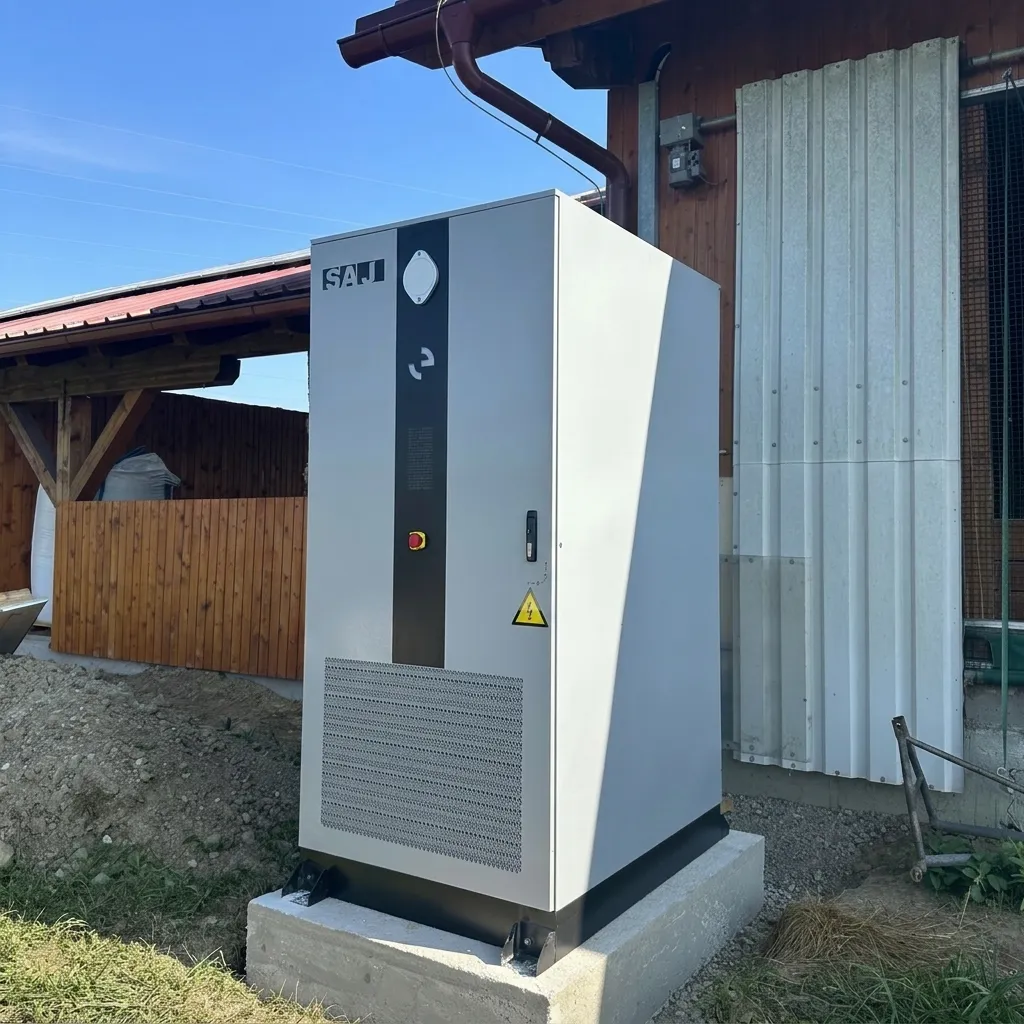
Separate battery and BMS airflow from PCS and auxiliary controls. Confirm whether the compartment uses outside air or a separate internal circulation path.
Read the storage cabinet supply case
See how one OEM moved from small orders to recurring deliveries and requested new samples for later cabinet designs.
Distinguish the power module from cabinet ventilation. Record sustained charging conditions, inlet restriction and the restart cycle for sample testing.
Start with the tray, airflow direction and installed depth. Check how the control system reads speed and responds to a fan fault.
Identify the vented or closed-loop configuration. Match the actual power and signal at the connector before verifying the loaded cabinet.
Air handling and refrigeration
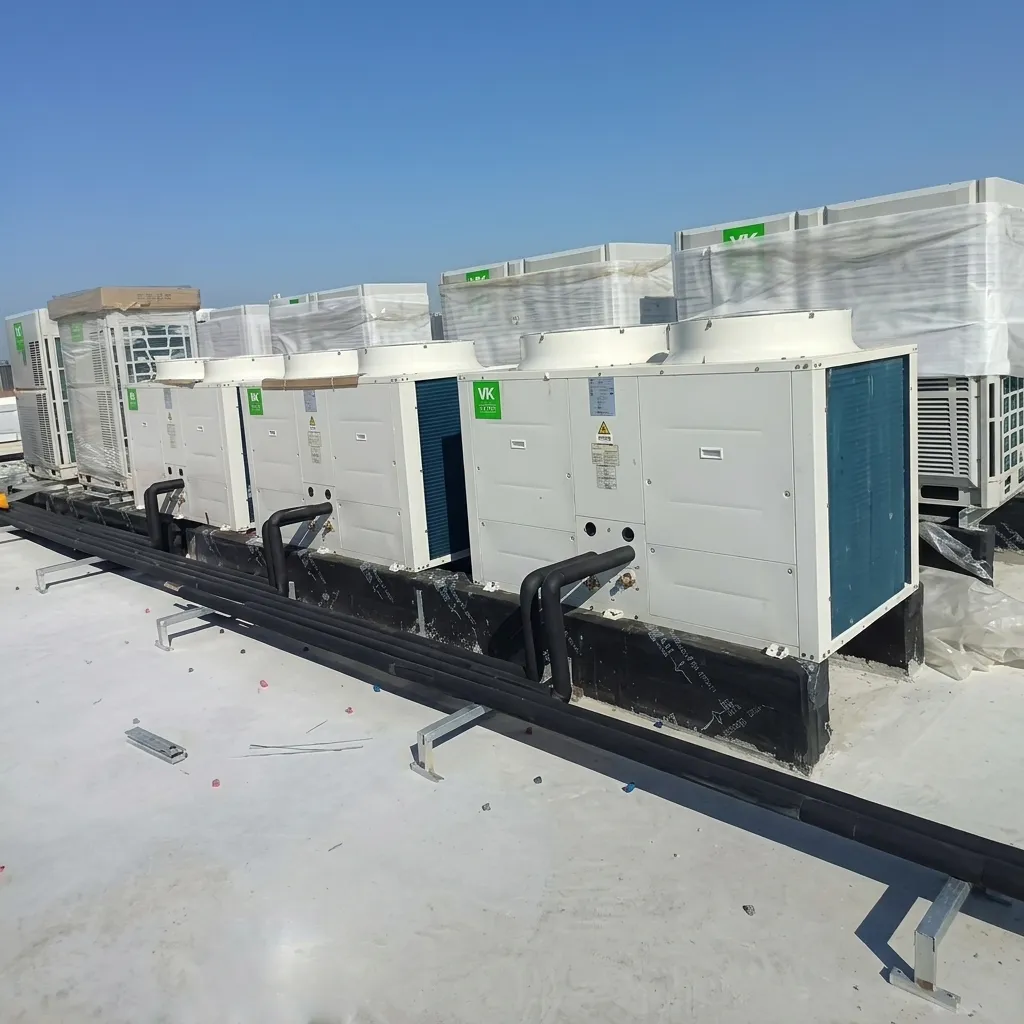
Separate the main air path from fans serving a cabinet or independent device. Account for coils, filters and grilles at the airflow you need.
Map the supply or extract path through the unit. Record duct, filter and coil resistance, the mounting envelope and the service access.
Identify the condenser, evaporator or separate control bay. Compare axial and centrifugal candidates and confirm the duty over the operating cycle.
See how a chiller OEM specified different terminals
Compare the connection requirements for 17050 and 12038 fan orders across chiller configurations.
What information do you already have?
- You know the part number
Read the complete suffix from the label. Compare the supply, dimensions and connector in the model listing before requesting a drawing.
- You know the airflow target
Record airflow and resistance together at the required duty. Use the fan curve for the correct supply or speed, then plan an installed test.
- You have a candidate to approve
Request its drawing or performance curve. Confirm the document revision and share the conditions the sample must pass on your equipment.
Share the equipment and what the fan needs to do
Give the equipment type, the installation space and supply. Include the airflow and pressure target if measured, and the full model from the label if you are replacing an existing part.
Add the sample quantity and timing when known. See what to prepare for a quote or sample.