First Production Lot Approval
Carry the approved fan sample into the first production order. Record the exact suffix, controlled drawing and acceptance checks so purchasing, inspection and receiving can reconcile the same shipment.
- Approved reference
- Full suffix, drawing revision and sample ID
- Purchase order
- Order line, quantity and required inspection records
- First lot
- Lot or date code, carton marks and release decision
Freeze the approved configuration at the order line
Reference the accepted sample and revision at order placement. Record the final configuration and how results will be reviewed if production needs a change.
- Product identity
- Full model and suffix, rated voltage and frequency or control input, and any mounting, lead or connector detail called out for the project.
- Approved revisions
- Mechanical drawing, wiring, specification and label or packing artwork revisions. Give the accepted sample identification and approval date.
- Lot acceptance
- Specify which dimensions, electrical checks and records apply, which samples will be examined and who can release or hold the lot. Confirm requested documents on the quotation and order.
- Changes and departures
- Record the proposed change, affected orders, decision and first applicable lot. Agree which checks must be repeated before releasing a revised configuration.
Agree which evidence releases the lot
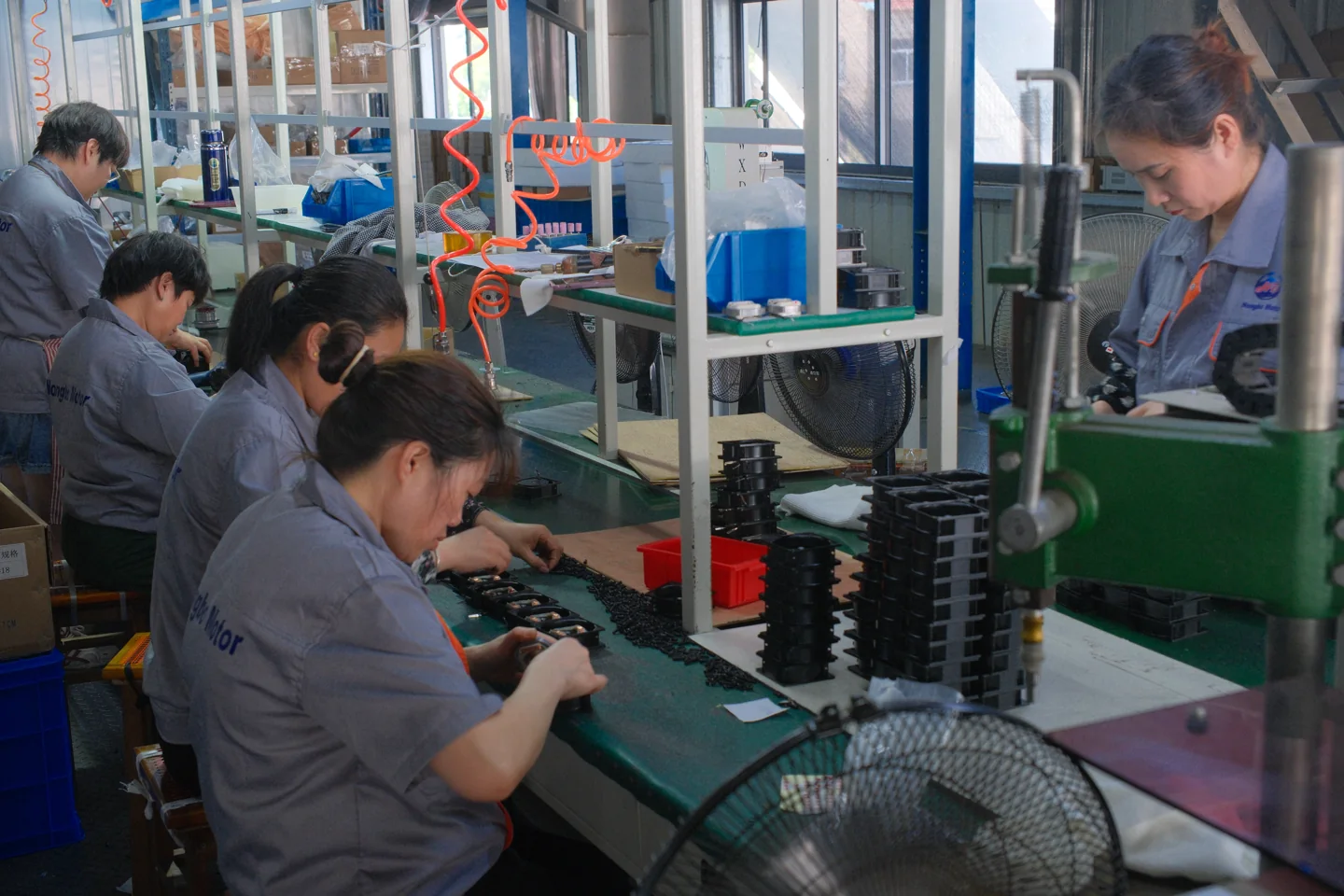
Set the checks before production. A dimensional inspection can reference the mounting face, hole spacing or connector clearance from the approved drawing. An electrical or functional record should identify the supply, method, conditions and limit used.
Ask for the applicable scope if your own process calls for a first article record. Keep design qualification results with their exact test configuration. For lot approval, attach the agreed inspection record to the actual part suffix, production lot, checked quantity and disposition.
A bearing change needs a fresh decision
In this example, the approved sample is HB12025HA2S. The catalogue lists HB12025HA2B in the same nominal frame and 200/240 V AC, 50/60 Hz range. The S version uses a sleeve bearing and the B version uses a ball bearing.
Check the proposed variant
The printed sheet gives 59/68 CFM in free air for the S version at 50/60 Hz and 68/76 CFM for the B version. Keep the original suffix on the order until the change has a decision. Compare the drawing and the curve at your actual equipment pressure.
Release by reference
If the proposed variant is approved, record the new suffix, revised documents and accepted sample. Name the first order line or lot under that decision. Receiving can then check the label against the correct order reference.
Carry the release decision into receiving
Ask for the packing list and model or lot reference agreed on the order. Reconcile the PO line, suffix, carton mark, lot or date code and received quantity. Retain a label photo and the acceptance decision with the order record.
If the lot or revision needs clarification, identify the affected units and send the comparison before releasing them for use. For repeat orders, quote the last accepted configuration and ask about any proposed change.
Share the PO line and the approved sample
Send the proposed configuration, the drawing revision and the inspection records your team needs. Include any open difference and the date by which it must be resolved.