Cooling Fan Reliability Qualification
Check the model and bearing against the temperature, mounting and duty the fan will actually see. Request the life evidence for that configuration.
Define the conditions at the fan
Describe the operating profile in terms a supplier can reproduce. For a fan near a heat source, measure the air reaching the fan when the cabinet is loaded and in its normal configuration.
- Air and temperature
- Record the inlet temperature range at the installed fan, plus any storage or non-running extremes. Identify which condition is continuous and which occurs briefly.
- Mount and exposure
- Record shaft orientation, mounting and the air path. Name any condensation, frost, dust or oil exposure that the fan actually sees. Include the component boundary and conditions if you request evidence for ingress protection.
- Electrical and mechanical duty
- State the supply, running speed or control command, installed airflow and static pressure. Include hours per day, starts per day and how long the fan stays at its highest load.
- Service-life target
- Give the required operating hours and the failure criteria your equipment uses, such as limits on speed, current or vibration. State a statistical life target and confidence requirement if your project has one.
Read the life figure with its temperature
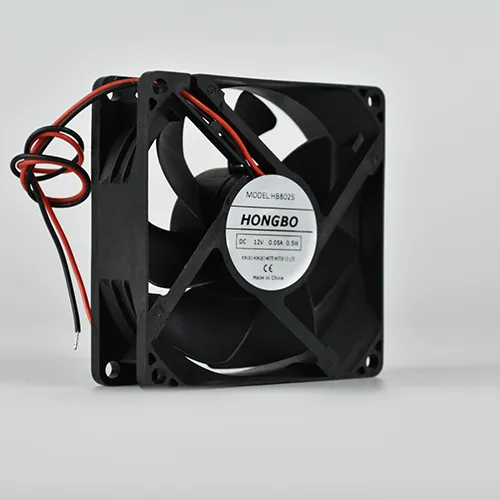
The 8025 DC listing gives two bearing options and publishes the following figures at 40 °C. It separately lists an operating range of −10 °C to +70 °C for the family.
- Ball bearing
- 50,000 hours at 40°C
- Sleeve bearing
- 30,000 hours at 40°C
If your cabinet delivers 55 °C air to the fan, use the range to screen the family. Ask for the life definition, applicable test conditions and the basis for a figure at your actual temperature, speed and mounting orientation. Carry the confirmed value and its conditions into the specification.
Request the evidence that supports the decision
- Shortlist a model
- Use the catalogue to check the dimensions, supply, operating temperature range and listed bearing options. Keep the document revision and the exact suffix with the shortlist.
- Review life evidence
- Ask for the reported metric and its definition. If the report uses a 90% survival (L10) threshold, check what counts as failure and how that life was estimated. Keep temperature, speed, load, orientation and the test method with the figure.
- Qualify the application
- Agree on an installed trial that represents the equipment’s temperature, controls and restrictions. Attach the sample ID, measurements and decision to the drawing revision. Ask which additional environmental or endurance records can be supplied for the specific project.
Keep the accepted variant on the order
Before ordering samples
Agree the bearing, drawing and working conditions. If the choice changes from the base model, give the updated suffix and what must be checked again.
At approval and first production
File the accepted sample and operating record with the purchase order. Carry forward the inspection or documentation requirements agreed for the first lot.
Send the operating profile with the model
Include the actual temperature at the fan, daily duty and the evidence your approval process calls for. Name the conditions that should be reproduced in a sample review.